
The tattoo’s placement on the forearm allows for visibility and expression, serving as a daily reminder of one’s roots and cultural identity. The intricate designs represent stories of ancestors and traditions, imbuing the wearer with a sense of empowerment and connection to their heritage. As the tattoo wraps around the arm, it embodies both personal significance and communal values, making it a beautiful testament to the enduring legacy of African tribal art.
The Ancient Origins of African Tattoos
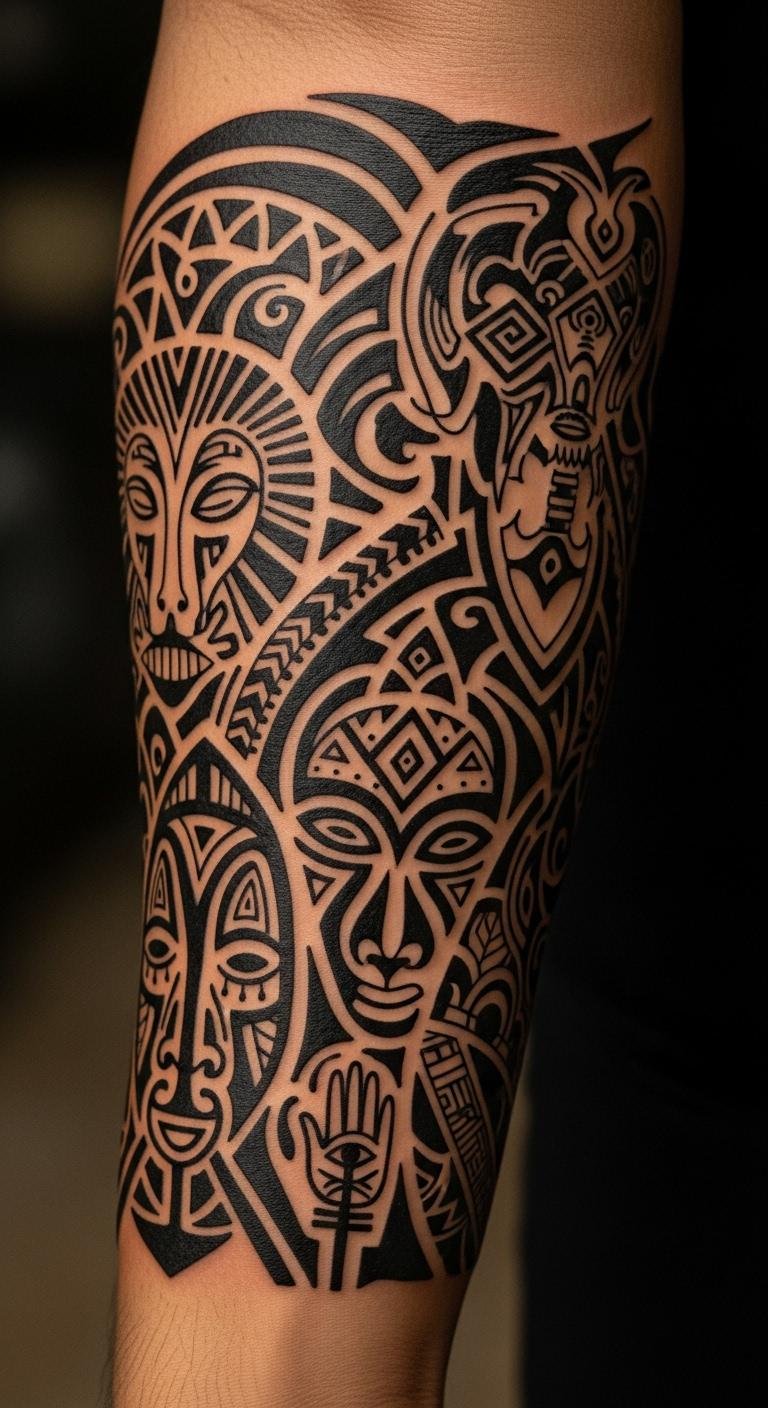
This tattoo embodies the deep cultural significance of African tattoos, reflecting the wearer’s ancestral roots and social identity.
Positioned on the forearm, it serves as a visible marker of pride and belonging, sparking conversations about heritage and history.
The intricate patterns symbolize protection and connection to the past, evoking emotions of strength and identity in the wearer.
Spiritual Protection Through Body Art

This tattoo, placed on the forearm, serves as a constant reminder of spiritual empowerment and ancestral connection.
The intricate tribal patterns reflect the deep cultural significance of the markings, acting as a protective shield against negativity.
Wearing this design not only fortifies the spirit but also embodies the wearer’s journey, drawing strength from their heritage and the wisdom of those who came before them.
The visible placement allows for personal reflection and connection to the larger narrative of resilience and strength in life’s challenges.
The Role of Tattoos in Tribal Identity

This tattoo embodies the essence of tribal identity, symbolizing belonging and cultural heritage. The intricate patterns reflect the rich history and values of the tribe, creating a visual narrative that connects the wearer to their ancestors.
Placed on the forearm, it becomes a prominent showcase of lineage and social status, allowing the individual to express their connection to their community. The design not only enhances the wearer’s spirit but also serves as a constant reminder of their roots and identity.
Scarification: A Traditional Technique
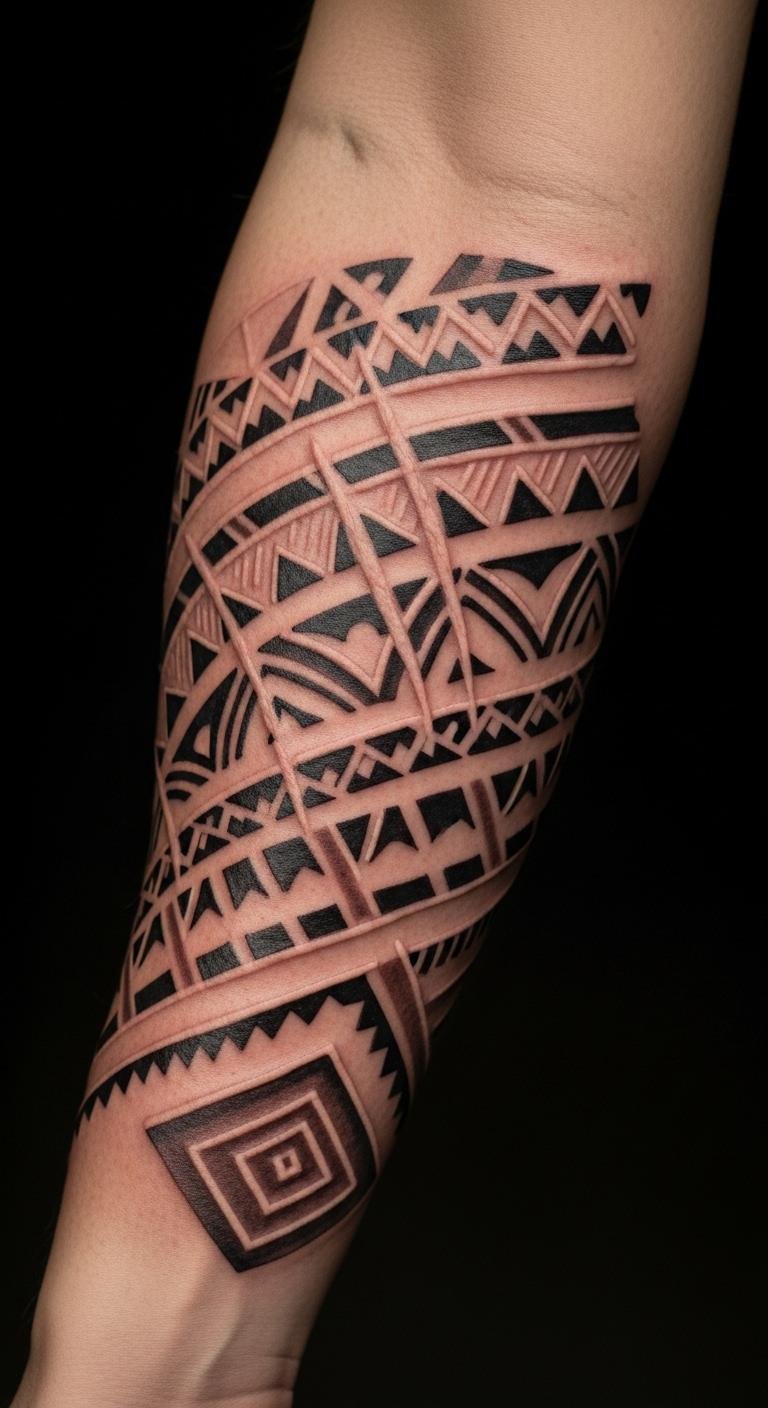
The tattoo symbolizes tribal identity and social status, connecting the wearer to their heritage through its intricate patterns.
Positioned on the forearm, it serves as a constant reminder of endurance and ancestral ties, empowering the spirit.
This placement allows for visibility and personal reflection, inviting conversations about culture and identity while celebrating the beauty of traditional artistry.
The Makonde People and Their Unique Designs

The tattoo embodies the rich symbolism of the Makonde culture, each motif intricately linked to stories of ancestry and community.
Placed on the forearm, it serves as a visible expression of freedom and spiritual resilience, allowing the wearer to connect with their roots while showcasing a powerful narrative to the world.
The design not only enhances the wearer’s identity but also fosters a sense of belonging and pride in their heritage.
Geometric Patterns in African Tattooing

The tattoo’s placement on the forearm allows for visibility and connection to the wearer’s identity, serving as a constant reminder of their heritage.
Each geometric shape tells a story, rooted in cultural significance and ancestral pride. The design flows gracefully around the arm, enhancing the natural contours of the body, while the patterns evoke feelings of empowerment and solidarity, bridging the past with the present.
This tattoo not only adorns the skin but also acts as a vibrant expression of community and personal history.
Animal Motifs and Their Meanings

This tattoo serves as a powerful emblem of strength and wisdom, representing the lion as a guardian and the elephant as a symbol of memory and connection to nature.
Placed on the shoulder blade, it embodies a sense of protection and empowerment, allowing the wearer to carry the essence of these spiritual animals throughout their daily life.
The natural flow of the design enhances the bond between humanity and the environment, reminding the wearer of their roots and the importance of honoring nature.
Tattoos as Rites of Passage
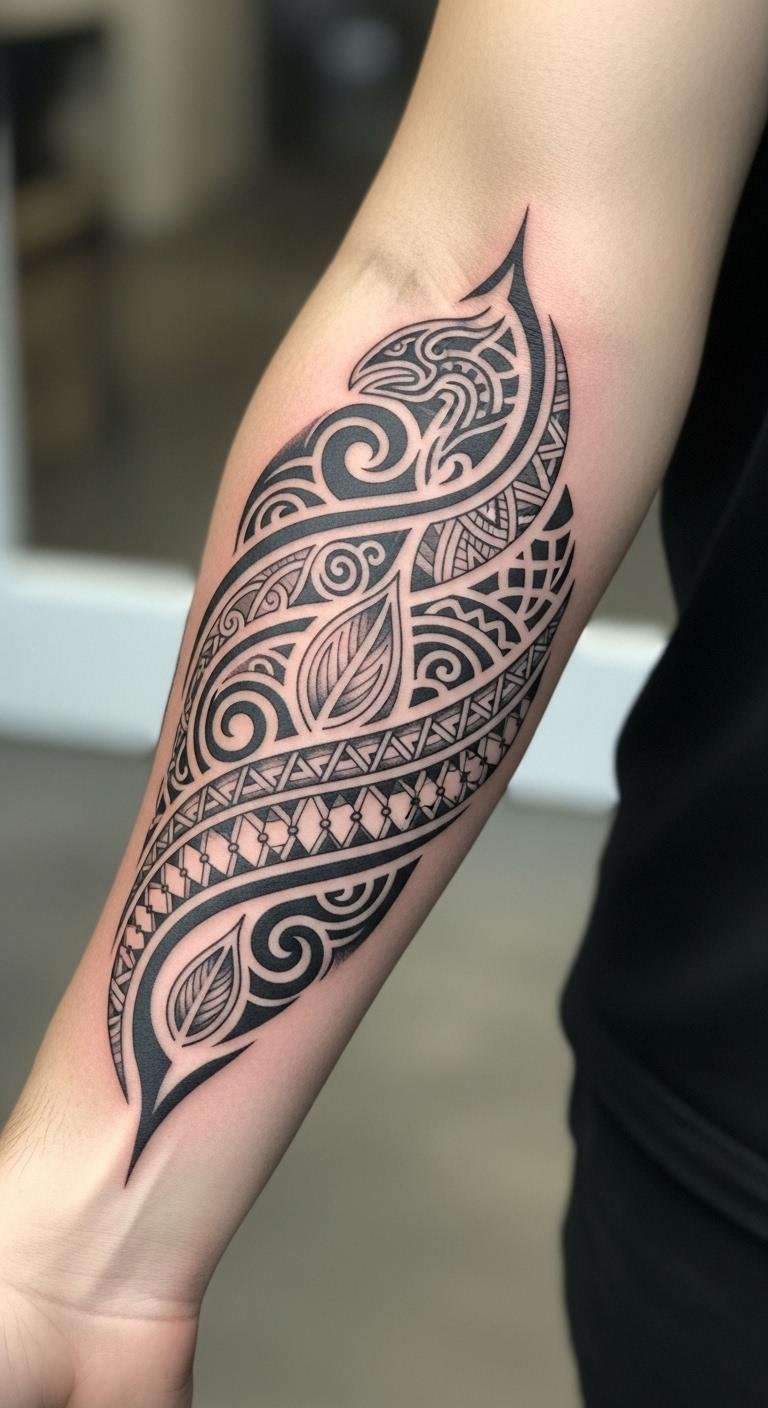
This tattoo, placed on the forearm, serves as a visible reminder of a significant rite of passage, embodying personal growth and cultural identity.
The swirling lines and geometric shapes symbolize the wearer’s journey and commitment to their heritage, fostering a connection to ancestral wisdom.
The forearm placement ensures that the tattoo is easily visible, allowing the individual to embrace their transformation openly while inviting conversations about their cultural pride and personal story.
The Symbolism of Strength and Courage
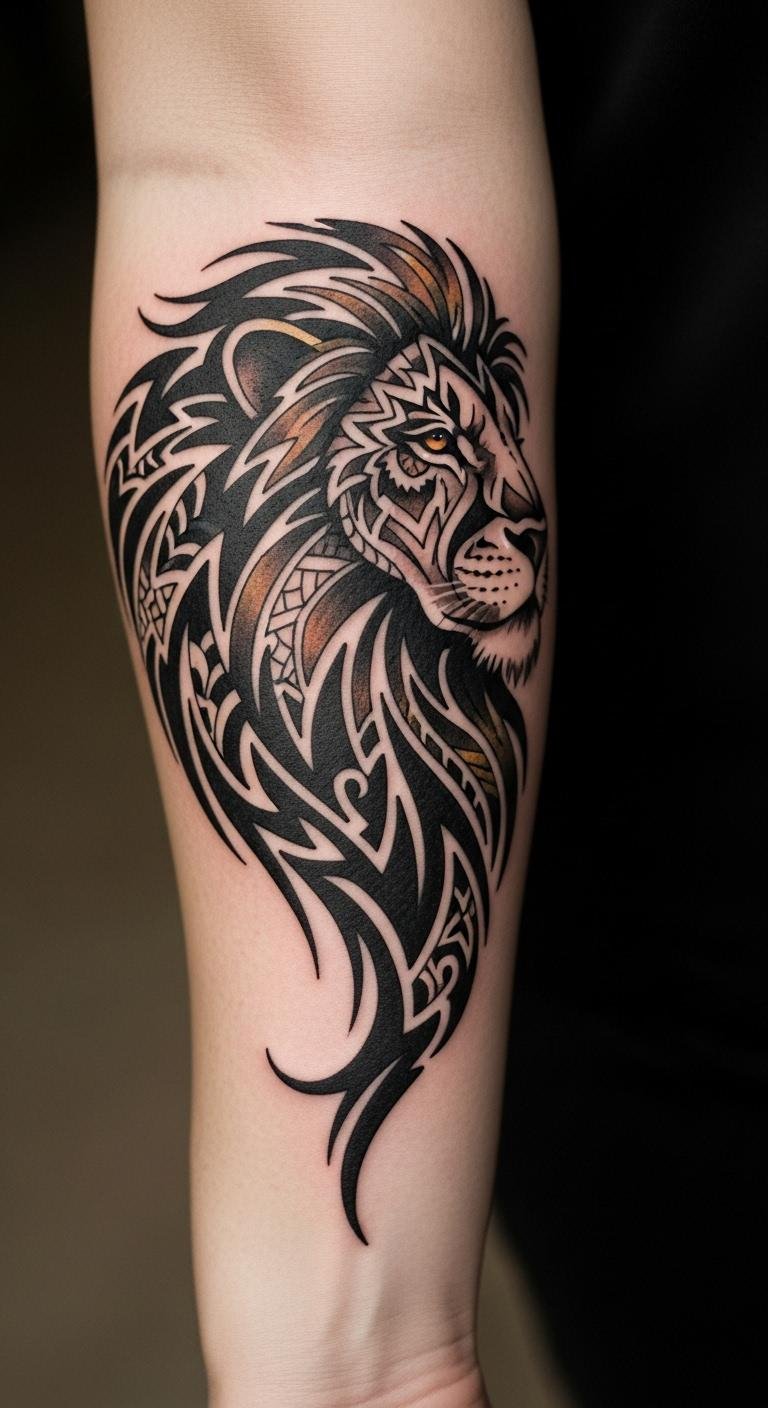
This tattoo design captures the essence of strength and courage through the powerful imagery of a lion, a revered symbol in many African cultures.
The tribal patterns enhance the connection to heritage, representing personal resilience and the journey of overcoming obstacles.
Placed on the forearm, the tattoo remains visible, serving as a daily reminder of one’s inner strength and the courage to face challenges head-on, empowering the wearer in both personal and cultural identity.
Tattoos and Ancestral Connections

This tattoo embodies a deep connection to ancestry, with its intricate tribal patterns that tell stories of heritage and lineage. Positioned on the forearm, it serves as a visible reminder of the strength and wisdom inherited from forebears, empowering the wearer.
The design not only honors the past but also reinforces identity, creating an emotional bond with the ancestry it represents. The earthy tones and detailed artistry emphasize the importance of cultural heritage, making it a meaningful and personal statement on the skin.
Historical Significance of Tattoos in Africa

This tattoo serves as a powerful emblem of cultural identity and spiritual beliefs, channeling the rich history and resilience of African communities.
Its placement on the forearm allows for visibility and personal expression, making it a constant reminder of one’s heritage and the stories that shape their identity.
The intricate patterns not only celebrate the wearer’s ancestry but also evoke a sense of pride and connection to their cultural roots.
Decorative vs. Functional Tattoos
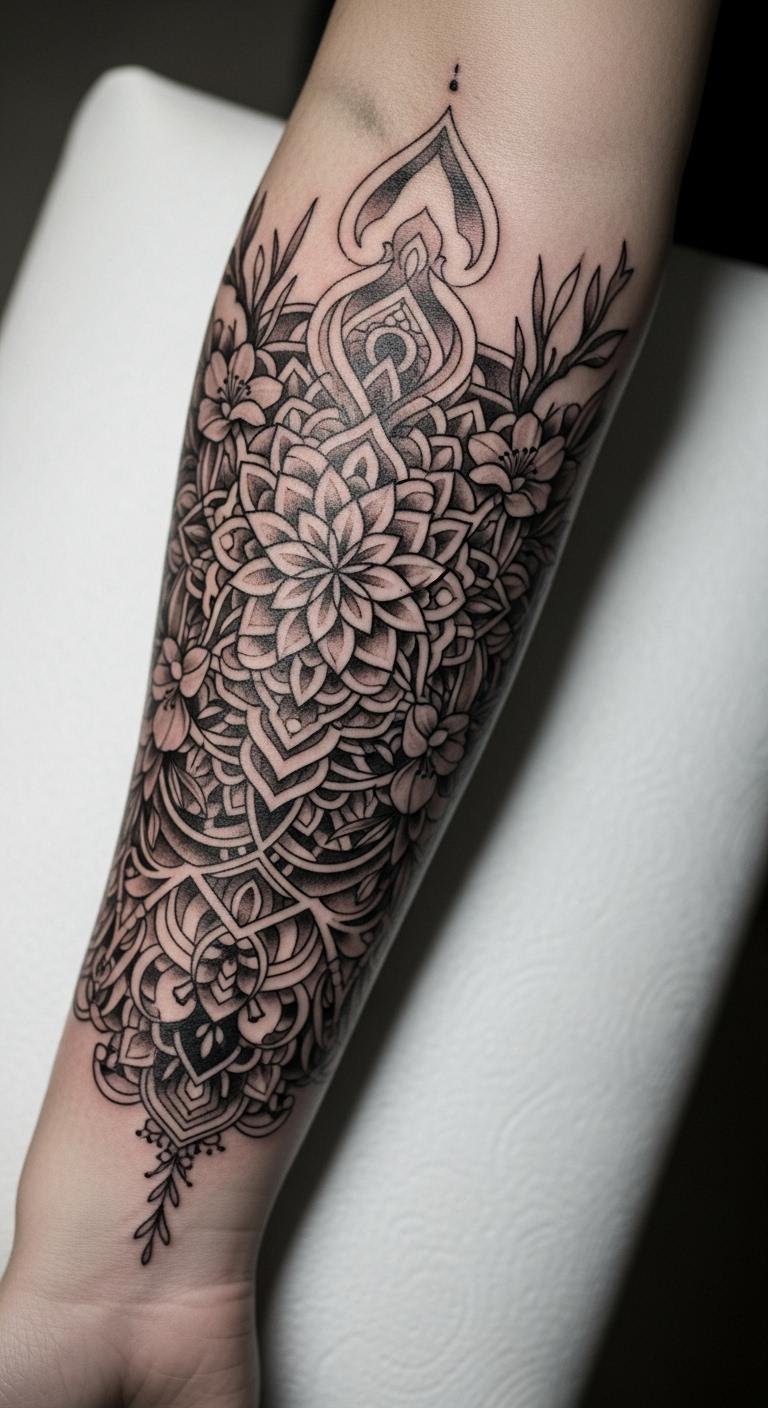
This tattoo embodies the essence of individual artistry and cultural heritage, representing a connection to one’s roots and personal journey.
The geometric patterns symbolize structure and balance, while the organic elements reflect growth and transformation. Positioned on the forearm, this location allows for visibility and personal expression, serving as a constant reminder of the wearer’s identity and the protective significance of their cultural traditions.
The interplay of aesthetic beauty and profound meaning empowers the spirit and fosters a deeper understanding of one’s place within a broader cultural narrative.
The Influence of Colonialism on Tattoo Practices
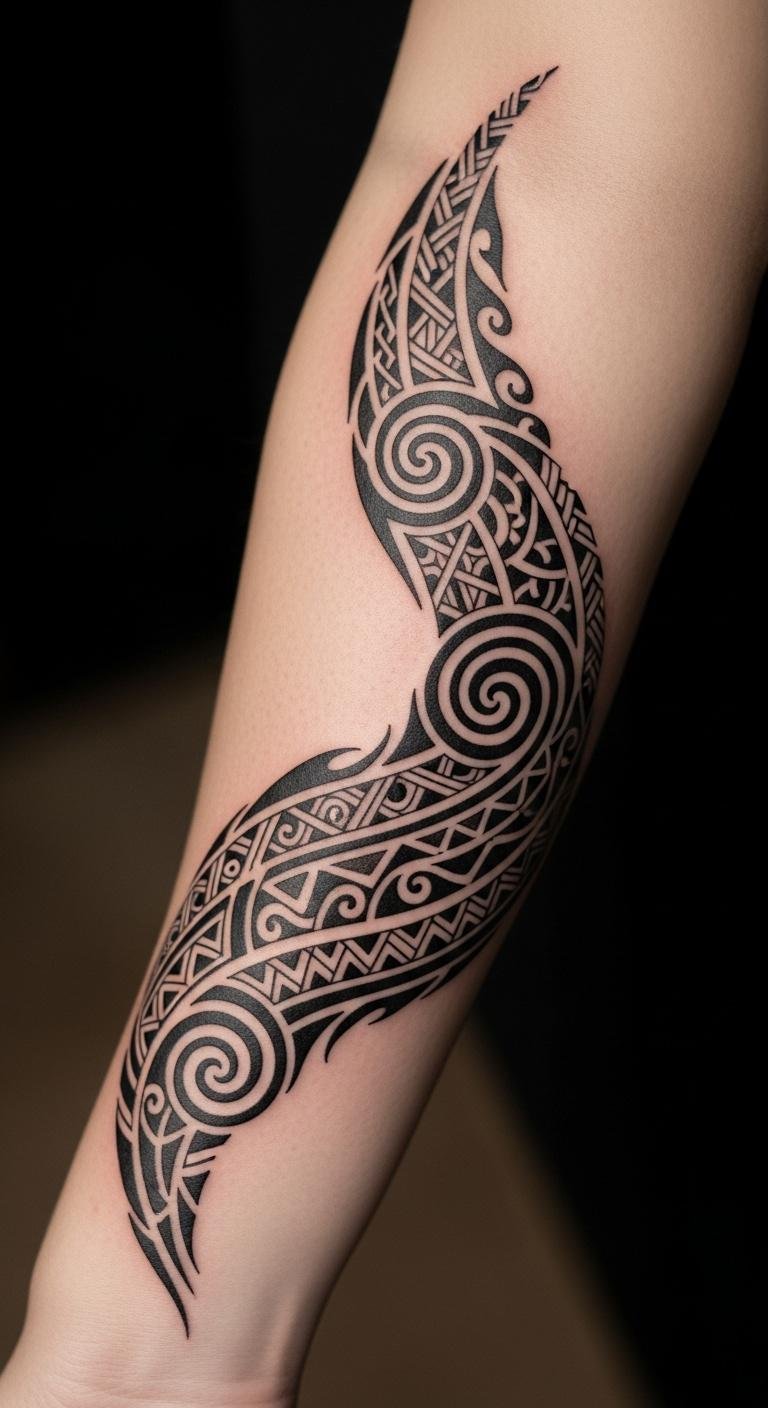
This tattoo is a tribute to the rich cultural history of indigenous tattoo practices, weaving together elements that represent identity and spirituality.
Positioned on the forearm, it serves not only as a visible expression of pride and resilience but also as a reminder of the journey to reclaim lost traditions.
The flowing design embraces the curves of the arm, symbolizing the ongoing connection to ancestry and the desire for self-expression amidst the backdrop of colonial influences.
Modern African Tattoo Artists
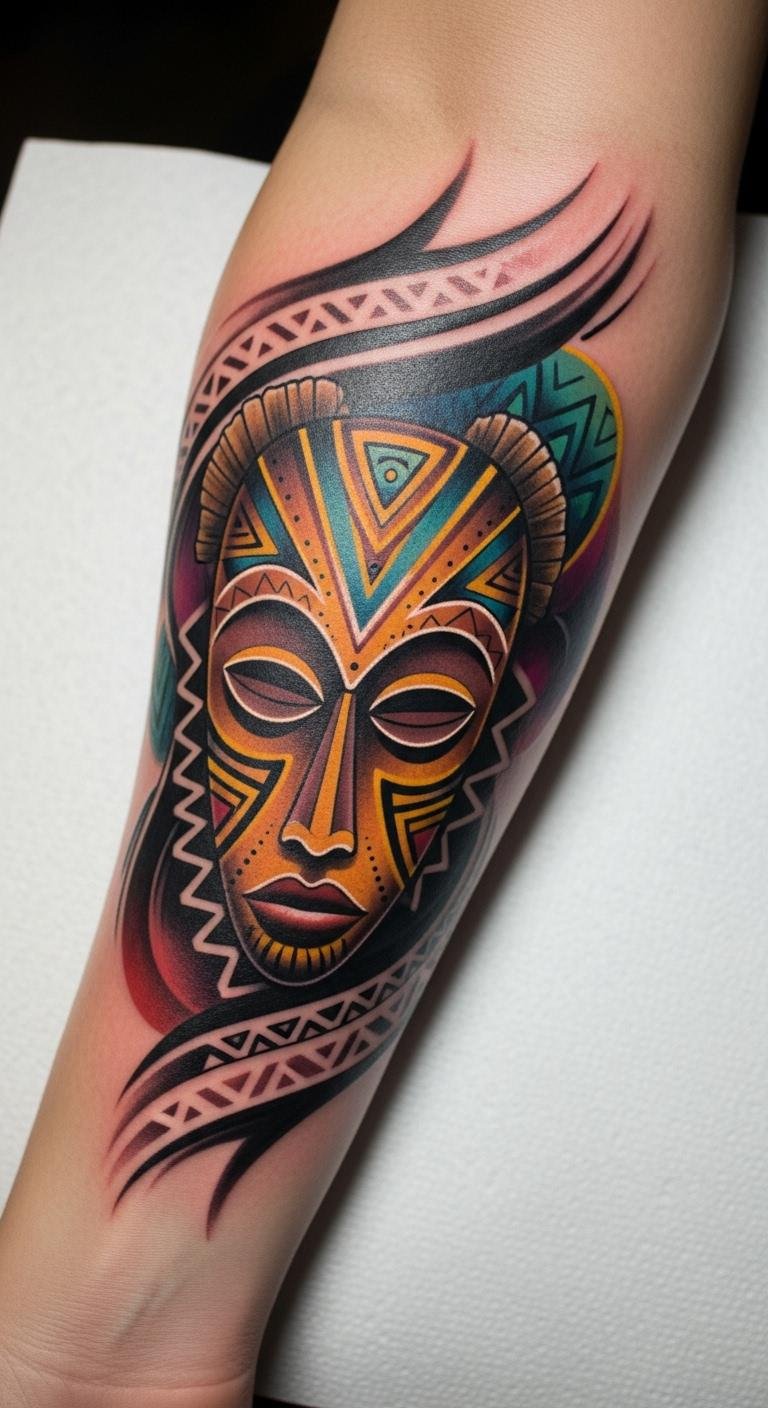
This tattoo symbolizes the connection between personal identity and ancestral roots, serving as a reminder of the wearer’s heritage and cultural background.
Positioned on the forearm, it allows for visibility and easy expression, making it a conversation starter about the importance of embracing one’s history.
The vibrant colors and intricate patterns evoke feelings of pride and empowerment, transforming the skin into a canvas that tells a unique story, celebrating the richness of African traditions in a contemporary context.
Preserving Traditional Tattoo Techniques

This tattoo design symbolizes the connection between past and present, honoring the rich cultural heritage of African traditions.
The geometric shapes represent the stories and identities of ancestors, while the modern abstract elements reflect the evolution of artistry and self-expression.
Placed on the forearm, this tattoo serves as a visible reminder of one’s roots and beliefs, bridging generations and fostering a sense of pride in heritage amidst a rapidly changing world.
The Rituals Surrounding Tattoo Application
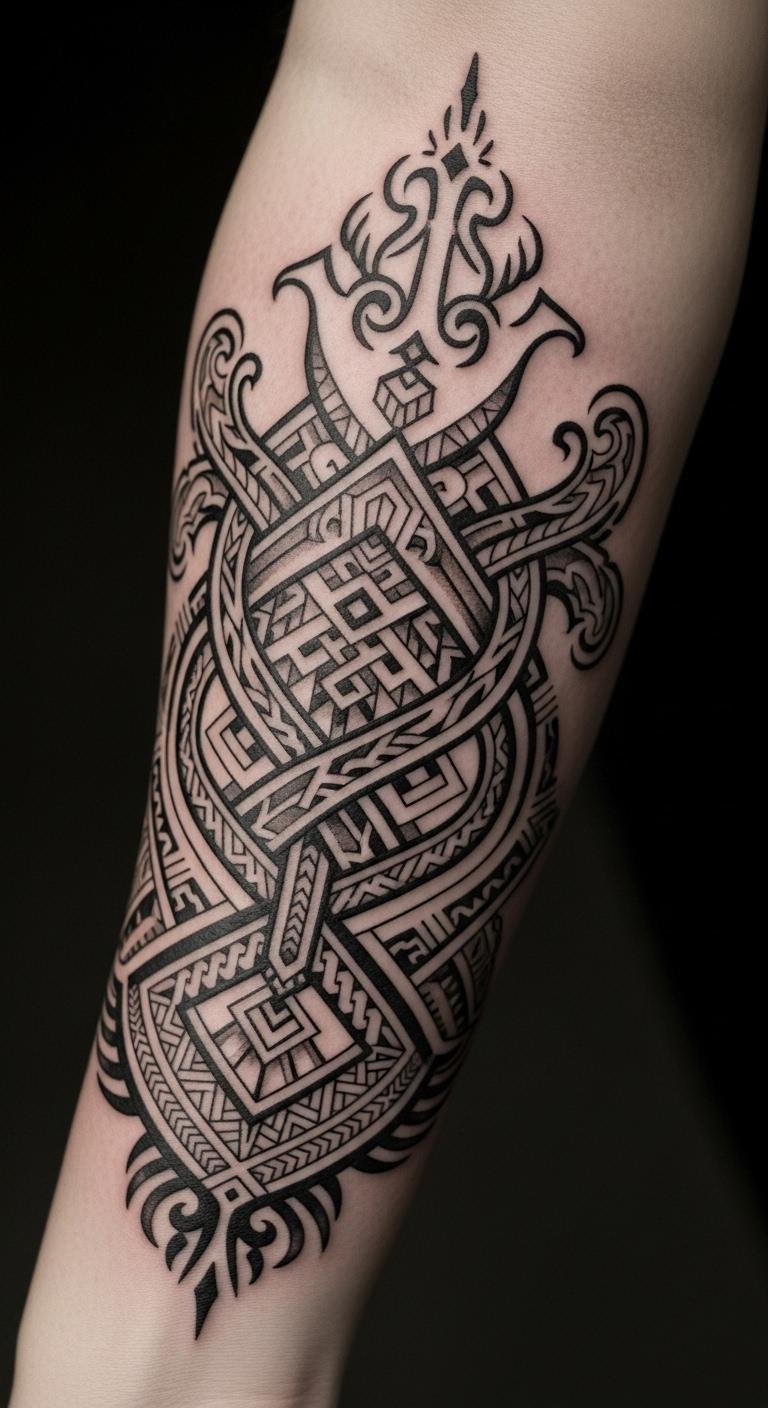
The tattoo embodies the spiritual significance of lineage and connection to community, representing milestones in one’s life journey.
Placed on the forearm, it’s visible and serves as a constant reminder of heritage and the transformative experiences shared during the tattoo application rituals.
The intricate patterns reflect the strength of community ties and the guidance of ancestors, fostering a deep emotional connection to one’s roots.
Tattoos as Amulets Against Evil

This tattoo design serves as a powerful amulet against evil, embodying deep spiritual protection and ancestral wisdom.
Placed on the forearm, it remains visible, allowing the wearer to connect with their lineage and ward off malevolent forces daily.
The intricate patterns aren’t only aesthetically pleasing but also rich in meaning, empowering the spirit and creating a shield against misfortune.
This placement ensures that the legacy of protection is always close at hand, fostering a sense of strength and resilience in the wearer.
Cultural Variations Across the Continent

This tattoo represents the rich cultural heritage and identity of African tribal communities.
The Makonde patterns symbolize artistry and craftsmanship, while the protective motifs convey strength and resilience.
Placed on the forearm, the tattoo serves as a visible reminder of one’s roots and connection to ancestral traditions, inviting conversation and reflection on the powerful stories woven into each line and shape.
Tattoos in Central African Tribes
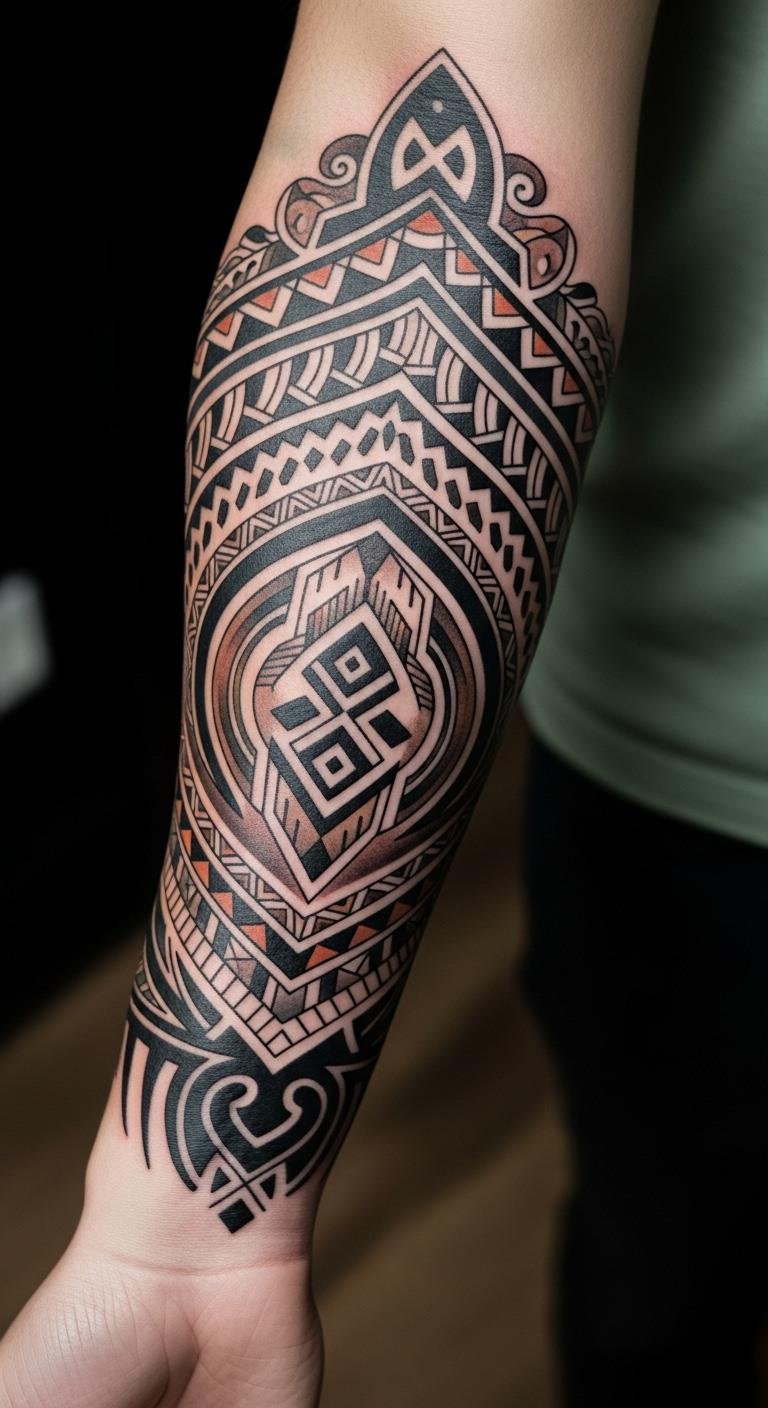
This tattoo design embodies the rich cultural heritage of Central African tribes, serving as a powerful marker of identity.
Positioned on the forearm, it symbolizes the wearer’s connection to their ancestry and community, expressing pride in their roots.
The bold patterns and earthy tones reflect the spiritual beliefs and rituals intertwined with these tattoo traditions, while its placement on the forearm allows for visibility, inviting conversations about identity and cultural significance.
The tattoo not only enhances the natural beauty of the skin but also carries deep emotional resonance, celebrating the wearer’s story and heritage.
The Art of Facial Tattoos
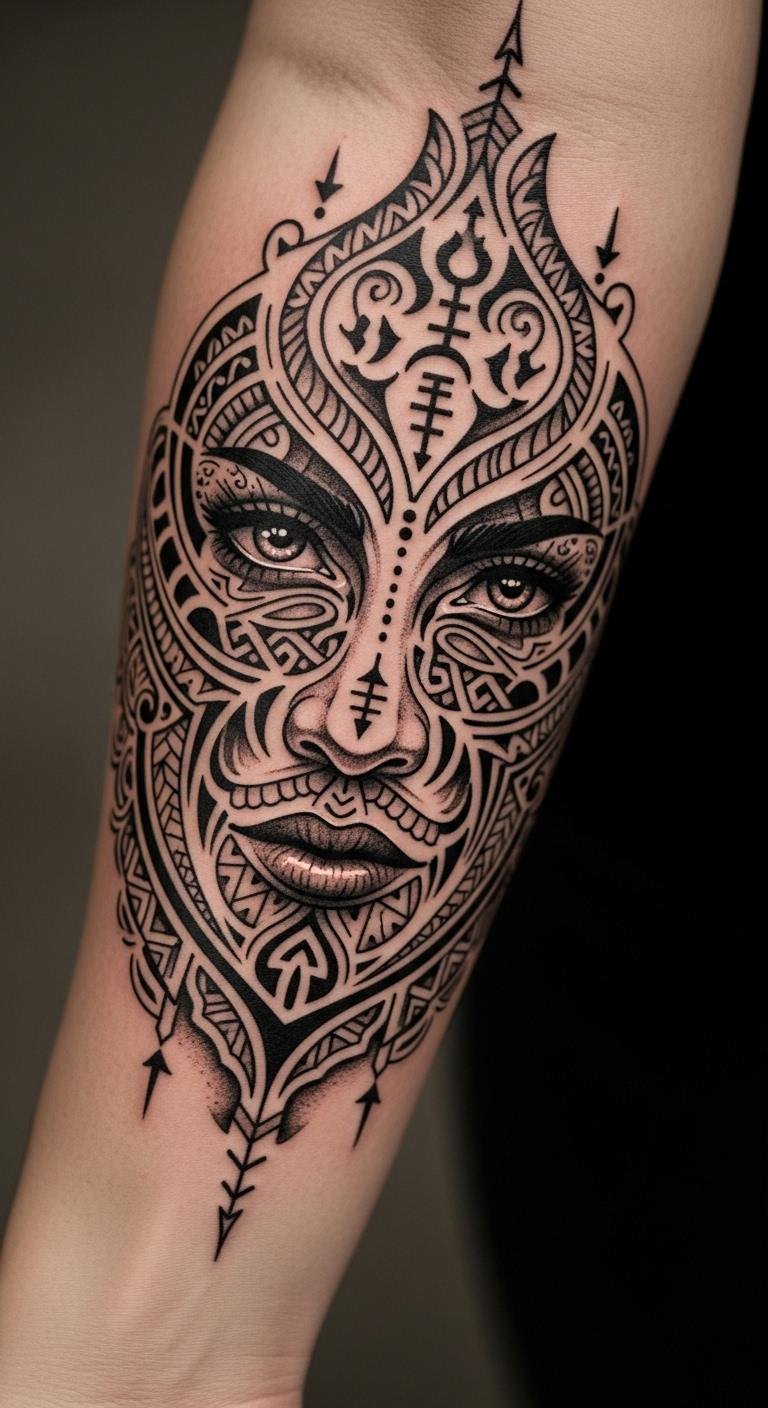
These tribal patterns, inked on the forearm, tell a story of cultural heritage and personal identity, symbolizing resilience and belonging.
This placement allows for visibility, inviting conversations about the rich history and significance behind the markings.
The use of natural skin tones and soft lighting enhances the emotional connection to the design, emphasizing its role in both spiritual protection and social status within the community.
The Significance of Color in Tattoo Designs

This tattoo design embodies a deep connection to cultural identity and heritage. The red symbolizes strength, reflecting resilience and bravery, while the blue denotes harmony, representing balance and peace within oneself and the community.
Placed on the forearm, the artwork becomes a visible testament to personal and ancestral stories, allowing the wearer to carry their heritage with pride and share its significance with the world.
The flowing lines of the tribal design enhance the arm’s natural movements, making it both a striking and meaningful piece.
The Connection Between Tattoos and Social Status
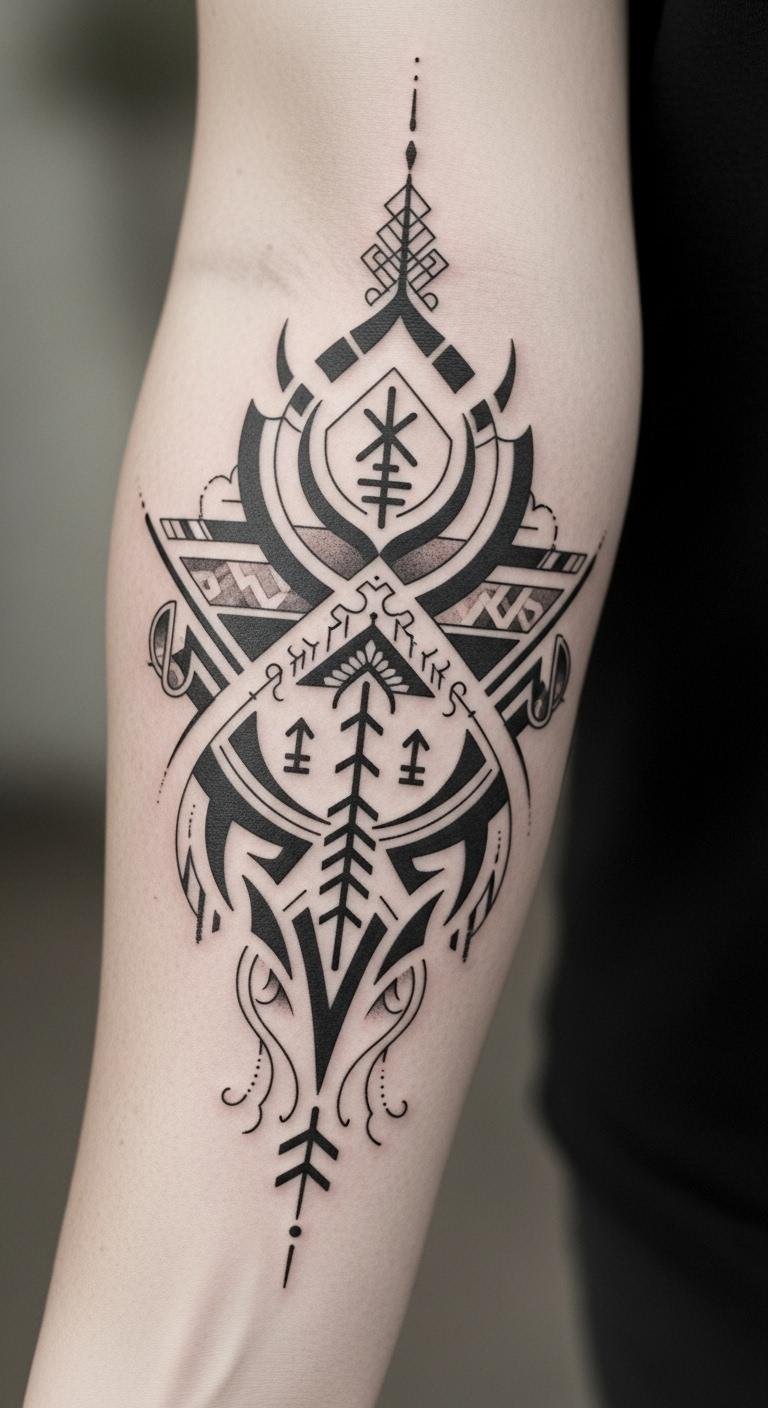
The tattoo, placed prominently on the forearm, serves as a powerful testament to the wearer’s social standing and tribal affiliation.
The intricate geometric shapes symbolize the interconnectedness of community and lineage, while the flowing lines reflect the wisdom and authority associated with leadership.
This visible ink not only enhances the individual’s identity but also serves as a conversation starter, inviting others to engage with the rich cultural narratives woven into the design.
Tattooing as a Form of Storytelling
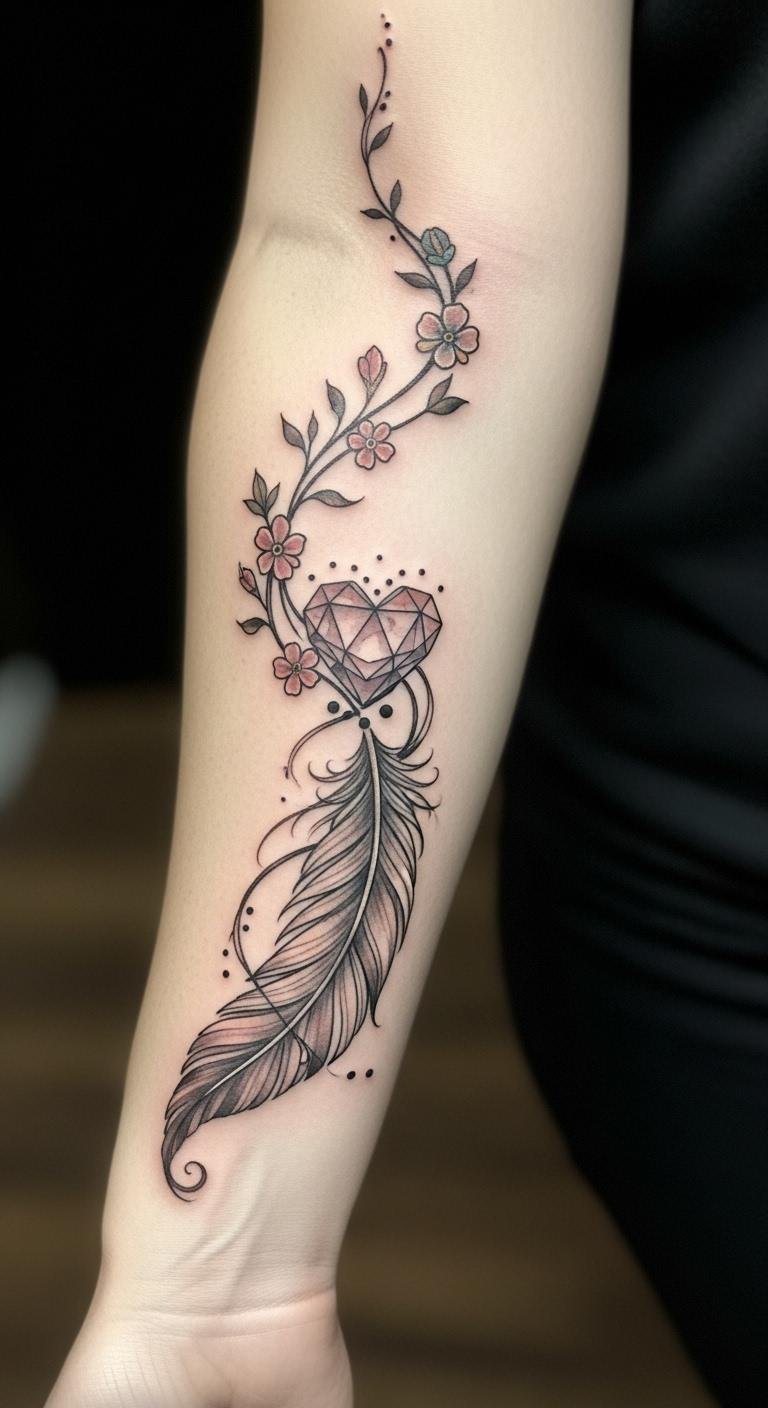
This tattoo symbolizes freedom and growth, with the feather representing a lightness of being and the vine signifying resilience and the journey through life.
The heart at the center embodies love and passion, connecting personal experiences and aspirations.
Placed on the forearm, it remains visible, inviting conversations and reflections on the stories it tells, making it a powerful form of personal expression and connection to one’s identity.
Contemporary Interpretations of Tribal Tattoos
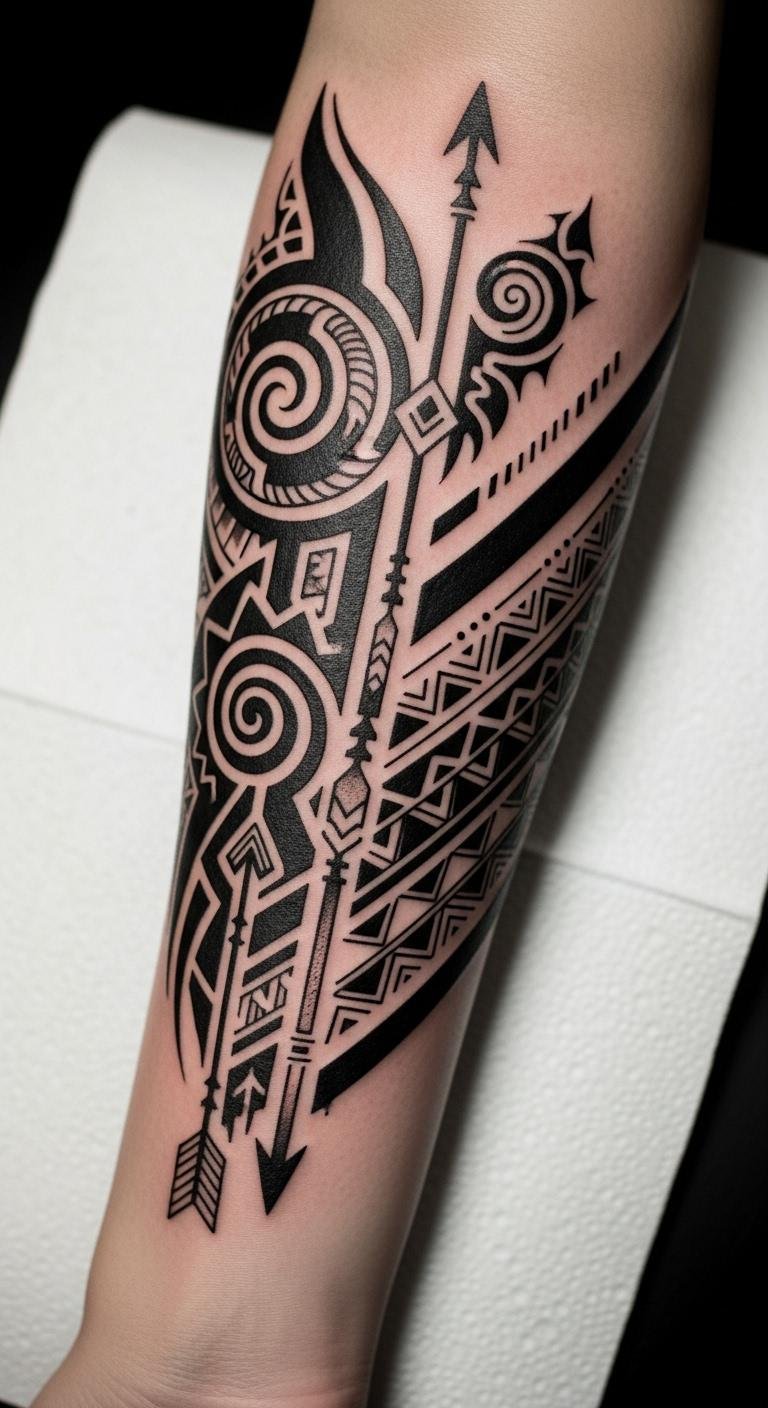
This tattoo design embodies a deep connection to heritage while expressing individuality.
The fusion of ancient motifs signifies a respect for ancestral wisdom, while the modern artistry represents personal growth and empowerment.
Placed on the forearm, it allows for visibility and conversation, inviting others to engage with the story behind the ink.
The bold design serves as a reminder of the wearer’s unique journey, celebrating both cultural roots and personal evolution.
The Decline of Traditional Tattooing Practices
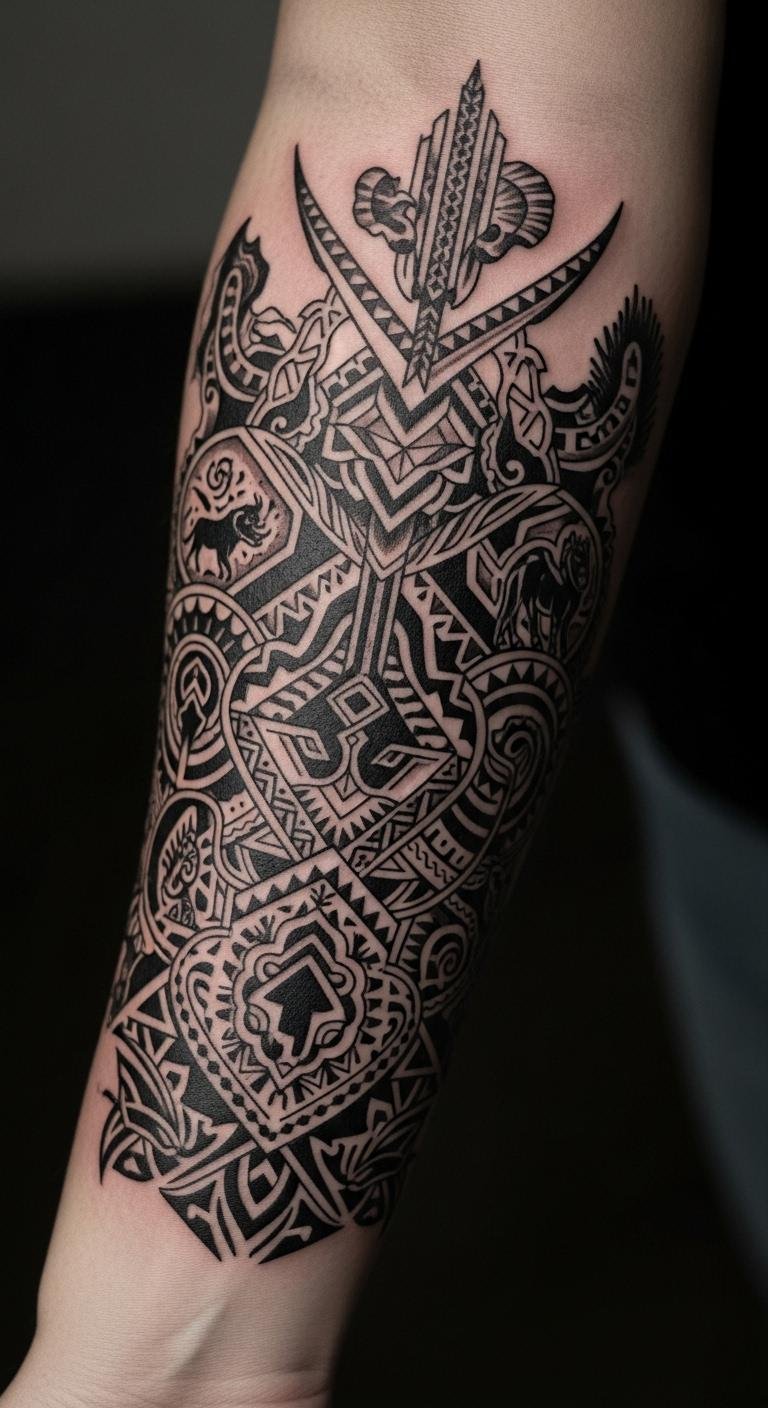
This tattoo concept symbolizes a deep connection to ancestral heritage and cultural identity, reflecting the rich tapestry of traditional tattooing practices that are at risk of decline.
Positioned on the forearm, it serves as a visible reminder of the wearer’s roots and the importance of preserving these sacred art forms.
Each element in the design tells a story, evoking emotions of pride and empowerment while encouraging a reconnection with one’s cultural legacy amidst the challenges of globalization and cultural appropriation.
Tattoo Preservation Initiatives
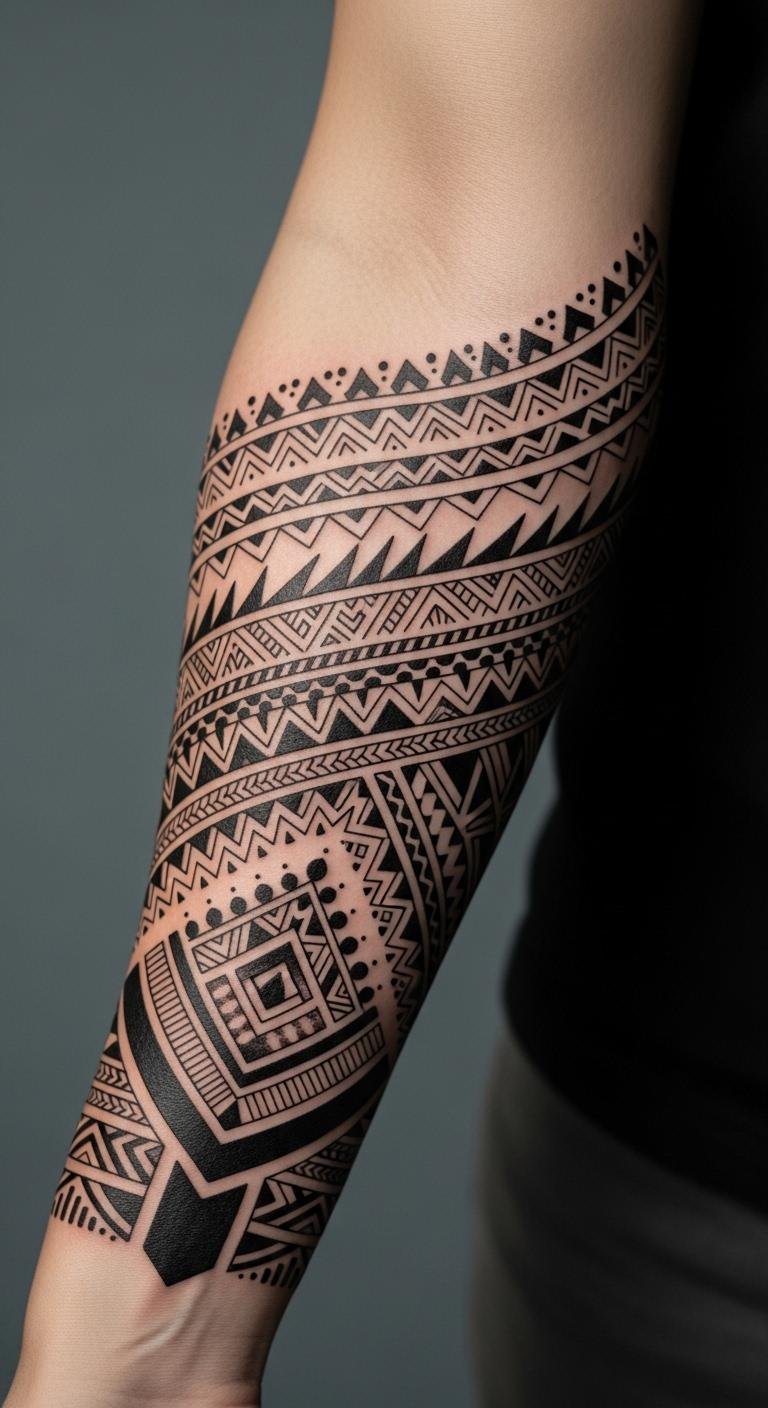
This tattoo design embodies the essence of African culture through its intricate patterns and rich symbolism.
Placed on the forearm, it serves as a constant reminder of one’s roots and the importance of preserving traditional practices. The bold shapes reflect strength and unity, while the flowing lines signify the interconnectedness of heritage and modern identity.
This placement allows for visibility and self-expression, making it a powerful statement of pride and continuity, celebrating the vibrant legacy of African tattooing.
Celebrating Heritage Through Body Art

This tattoo design is rich in symbolism, embodying the wearer’s connection to their heritage and ancestral lineage.
The geometric patterns represent the complexities of identity and the interwoven stories of ancestors, while the animal motifs symbolize strength and guidance.
Placed on the forearm, it remains visible to the world, allowing the wearer to express pride in their roots and serve as a conversation starter about their cultural background.
The design harmonizes with the skin, emphasizing authenticity and personal significance.
The Future of African Tribal Tattoos
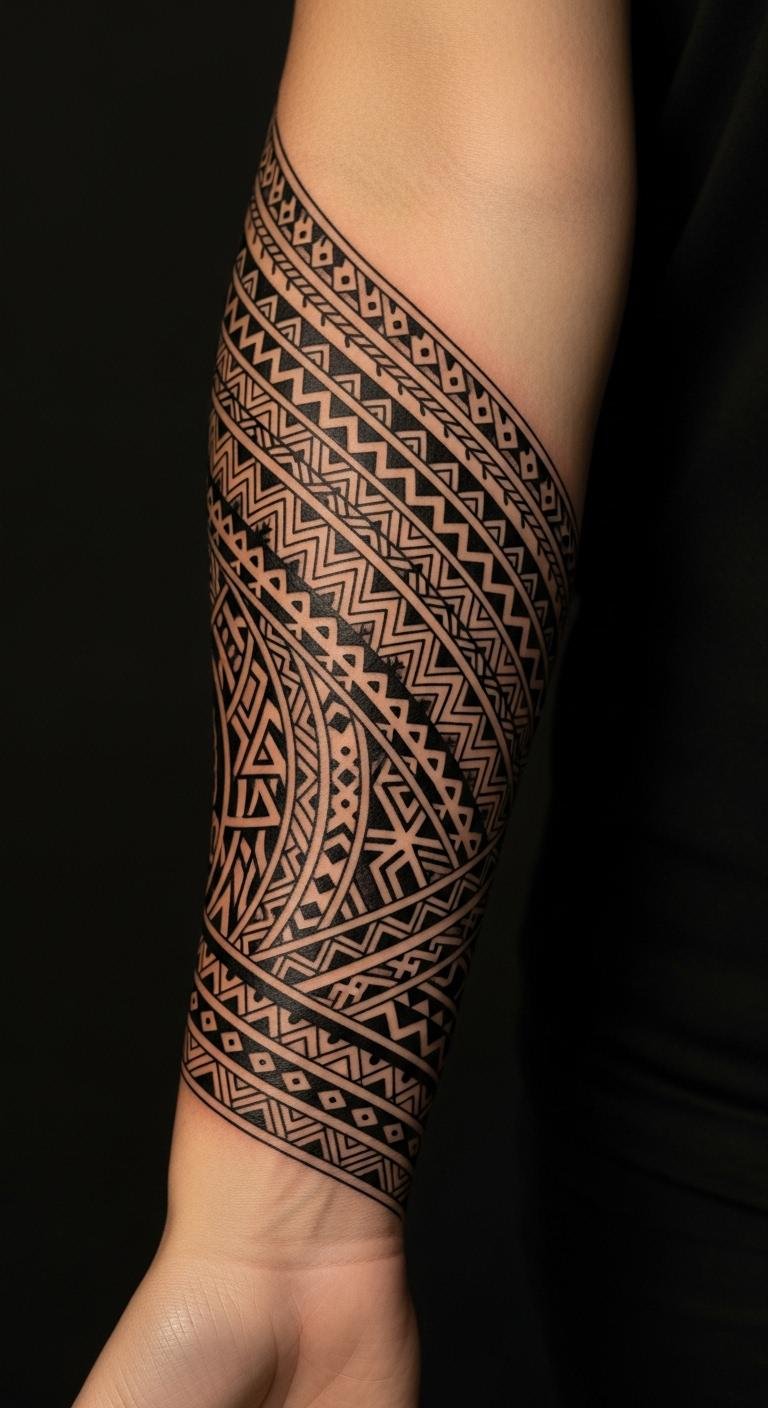
This tattoo symbolizes a deep connection to African heritage, representing the wearer’s roots and personal identity.
The fusion of ancient tribal motifs with modern elements reflects a cultural renaissance, celebrating both past and present.
Placed on the forearm, it serves as a visible reminder of one’s lineage and the empowerment derived from embracing one’s history in a contemporary context.