
This tattoo serves as a powerful symbol of identity and connection to Filipino roots, reflecting personal experiences through its intricate designs. Placed on the forearm, it remains visible, allowing the wearer to express their pride in cultural heritage while navigating modern life. The fusion of traditional elements with contemporary aesthetics highlights the evolving narrative of Filipino identity, making it a meaningful statement in a globalized world.
The Rich History of Batok Tattoos
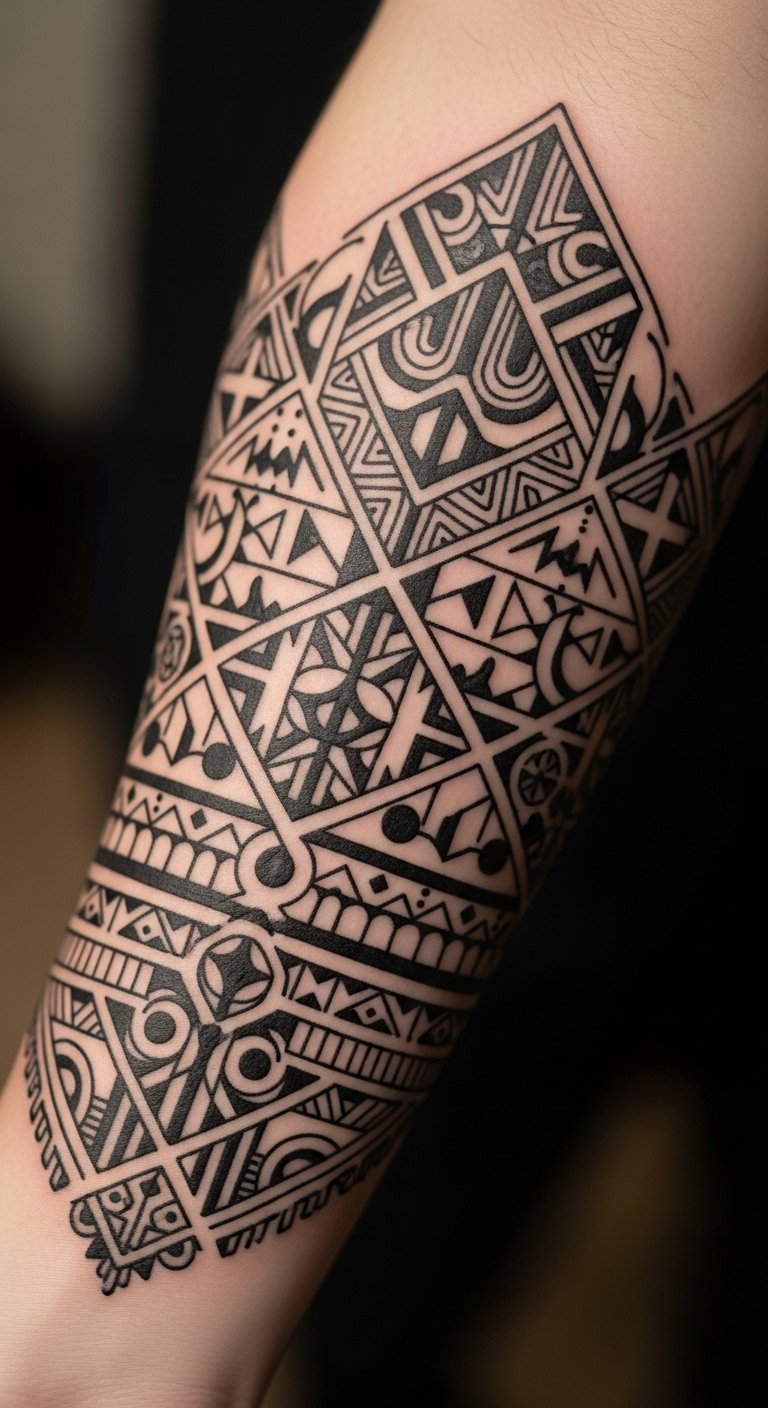
This batok tattoo design is a powerful representation of identity and heritage, celebrating the individual’s journey and achievements within their community.
Placed on the forearm, it serves as a visible reminder of one’s roots and personal stories, inviting curiosity and connection with others.
The intricate patterns embody the artistry passed down through generations, while the choice of placement allows for easy visibility, making it a significant part of the wearer’s expression of pride in their cultural background.
Symbolism Behind Traditional Filipino Tattoos
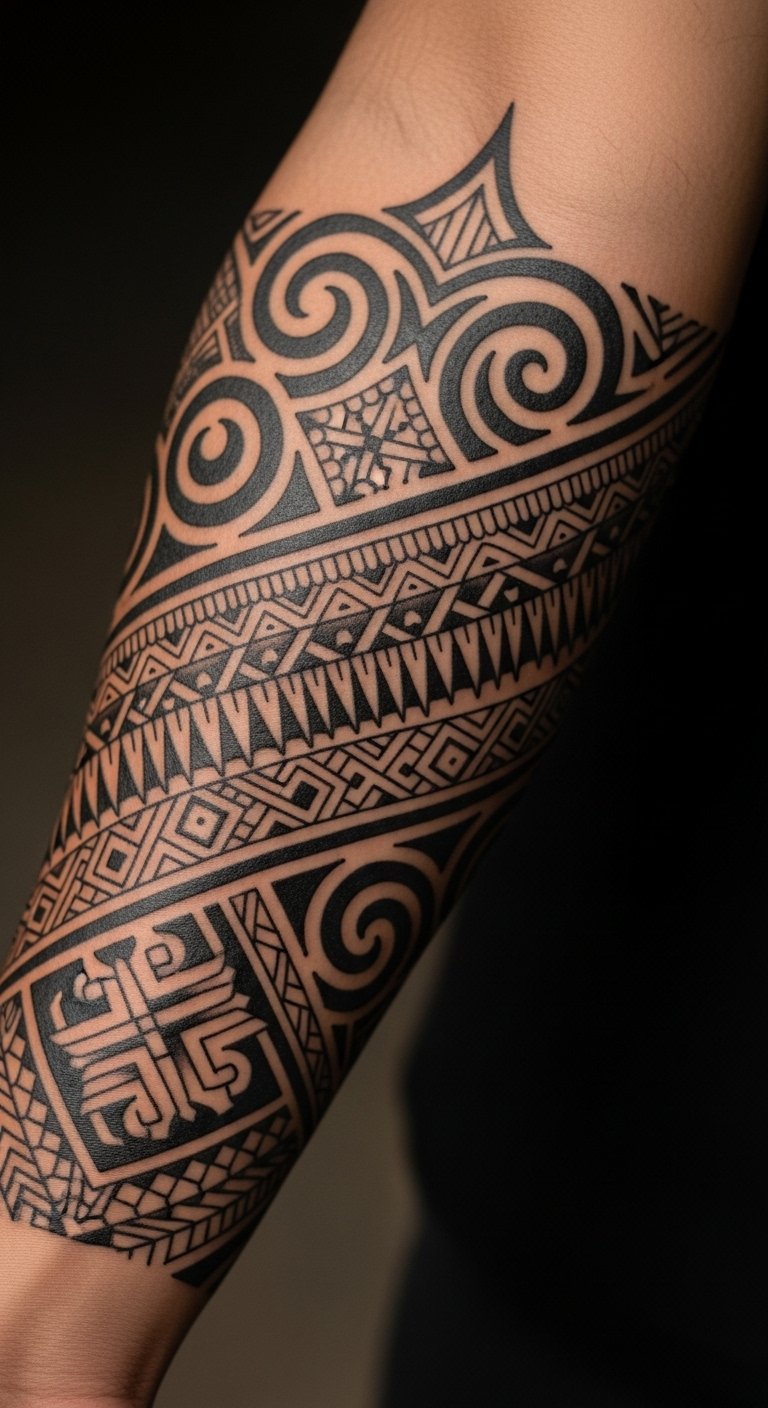
This tattoo design embodies the rich cultural heritage of the Filipino people, reflecting achievements and spiritual connections to ancestors and nature.
Placed on the forearm, it serves as a constant reminder of one’s identity and bravery, fostering a sense of pride and communal belonging.
The intricate patterns not only protect the wearer spiritually but also celebrate their unique story and journey through life, making it a powerful symbol of personal and cultural empowerment.
Techniques Used in Traditional Tattooing

This tattoo concept embodies the essence of Filipino heritage, representing both personal strength and communal identity.
Placed on the forearm, it symbolizes the wearer’s connection to their roots and the stories passed down through generations. The intricate patterns evoke a sense of resilience and pride, while the choice of placement allows for visibility, inviting conversations about the rich cultural practices behind traditional tattooing.
The natural skin tone and texture enhance the authenticity of the design, making it a true reflection of the wearer’s journey and identity.
The Decline of Traditional Tattoo Practices
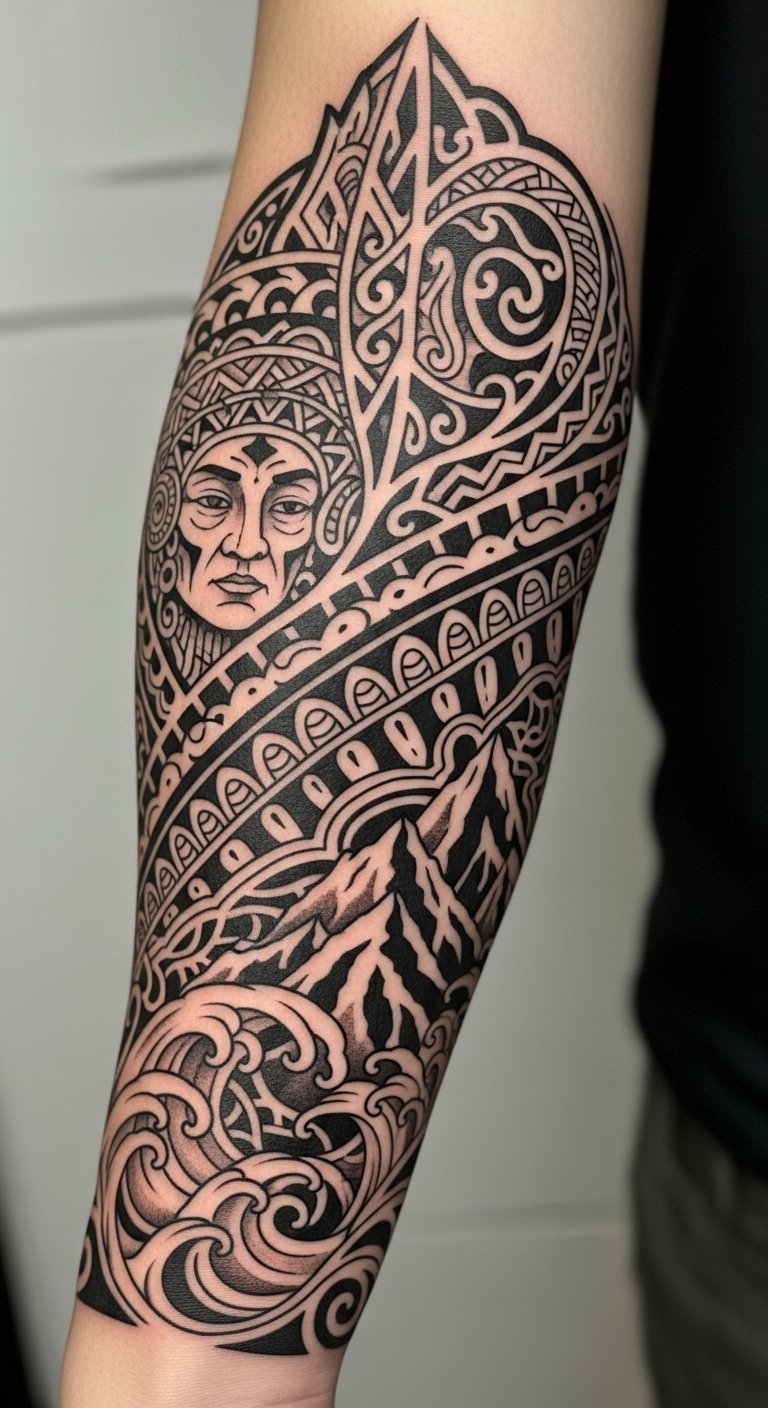
This tattoo represents the resilience of traditional tattoo practices in the Philippines, echoing the cultural richness that colonialism sought to suppress.
The forearm placement signifies strength and visibility, allowing the wearer to openly celebrate their heritage and share this story with the world.
Each pattern tells a tale of identity and resistance, creating a dialogue between the past and present, while affirming the beauty of reclaiming one’s cultural roots.
Modern Revival of Filipino Tribal Tattoos
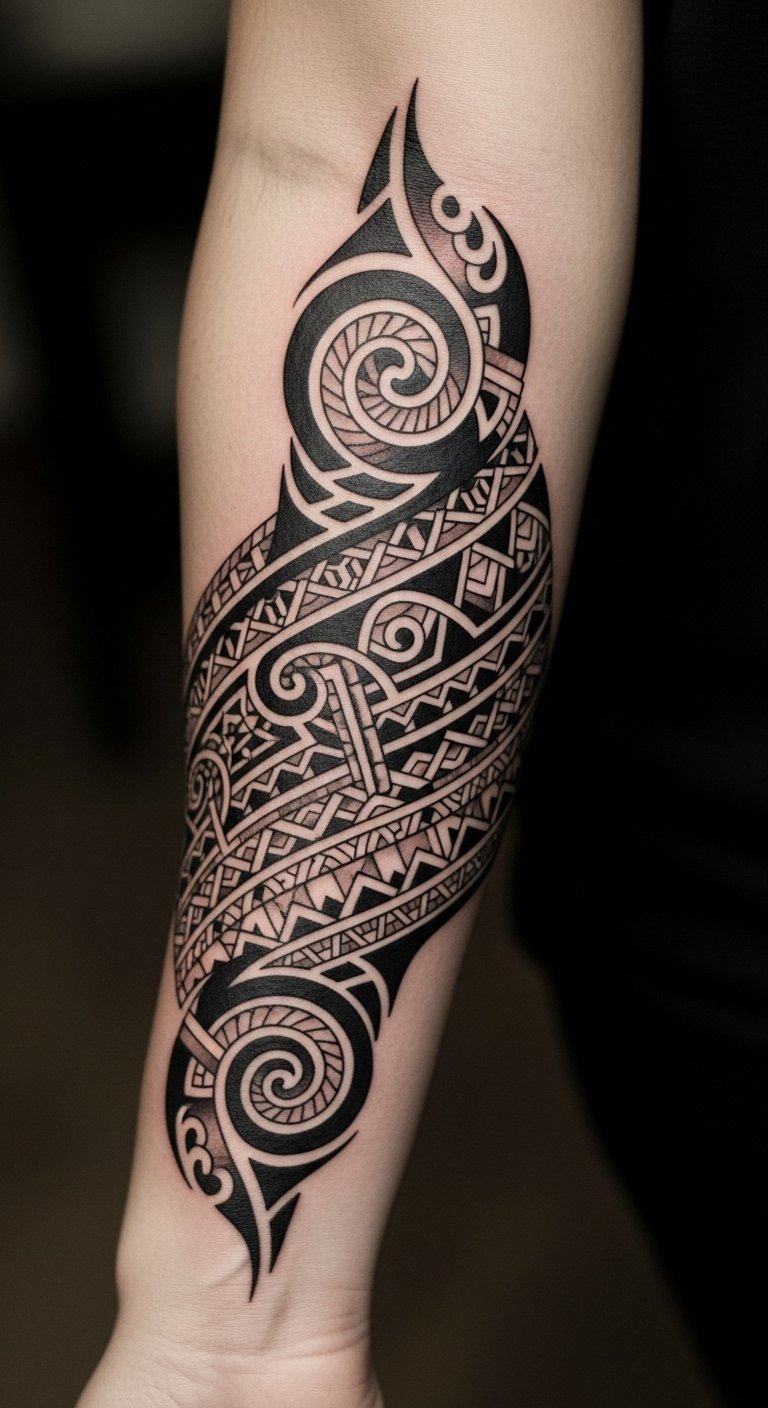
This tattoo serves as a powerful symbol of cultural heritage and personal identity, intricately linking the wearer to their roots while celebrating their individuality.
Positioned on the forearm, it allows for visibility and conversation, inviting others to engage with the rich history that the design embodies. The spirals and geometric forms represent life’s journey and the interconnectedness of community, evoking feelings of pride and empowerment each time it’s seen.
Neo-Tribal Tattoos: A Contemporary Twist

This neo-tribal tattoo on the forearm serves as a powerful statement of identity and culture.
The geometric patterns represent strength and resilience, while the incorporation of traditional Filipino symbols evokes a deep connection to ancestral roots.
Placed on the forearm, it remains visible and serves as an everyday reminder of personal narratives and cultural heritage, empowering the wearer through its rich symbolism and contemporary artistry.
Expressions of Cultural Pride Through Tattoos
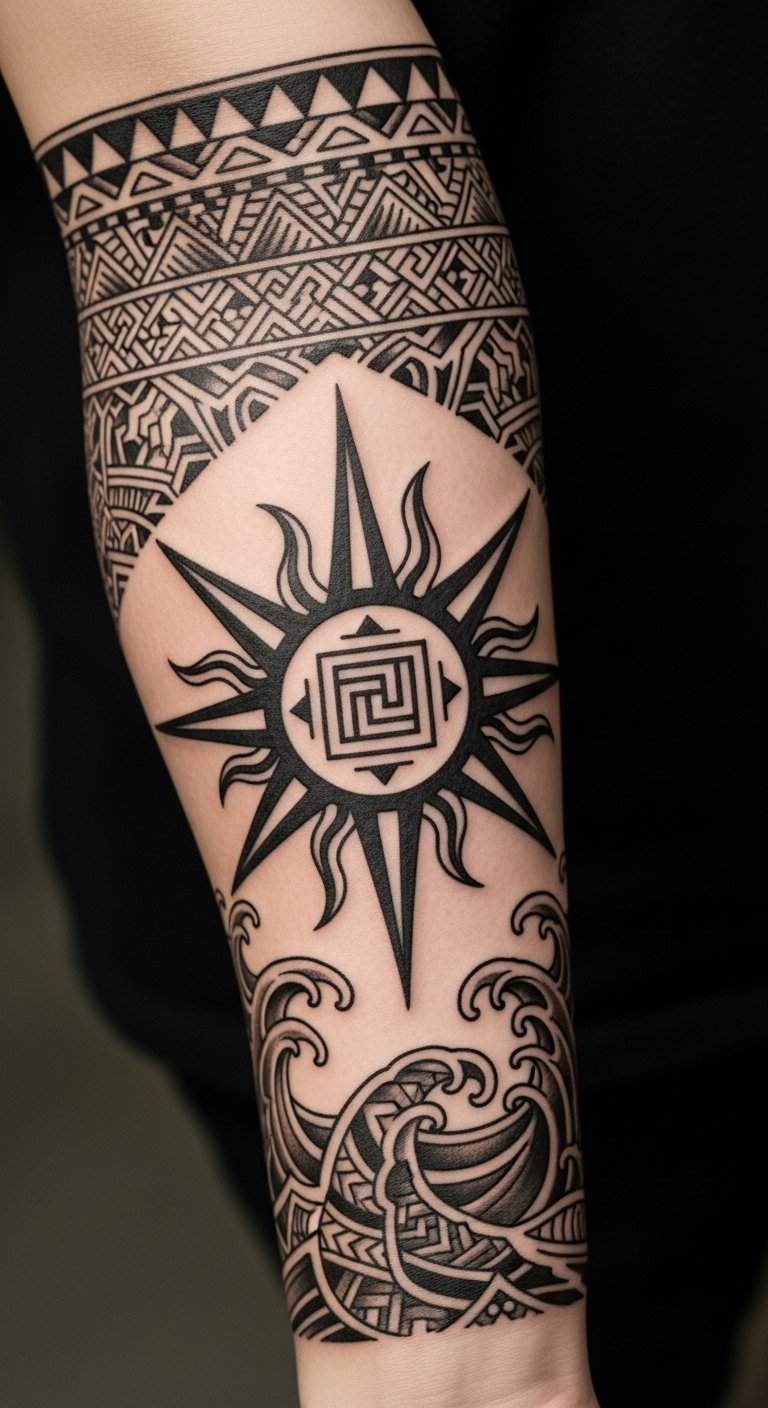
This tattoo embodies the essence of Filipino culture, with each element telling a story of heritage and community.
The tribal patterns connect the wearer to their ancestral roots, while the sun signifies a bright future and the spirit of resilience.
Placed on the forearm, it serves as a constant reminder of pride and identity, visible to the world, fostering a sense of belonging and empowerment every time the wearer looks at it.
Personal Identity Reflected in Tattoo Choices

This tattoo embodies a profound connection to personal and cultural identity, with the tree symbolizing growth, strength, and resilience.
Each branch represents a different aspect of one’s heritage, while the feathers signify freedom and the journey of self-discovery.
Placed on the upper back, it serves as a reminder of the wearer’s roots and the stories that shape them, all while being a visually stunning piece that invites conversation and reflection.
The Role of Tattoos in Filipino Society Today
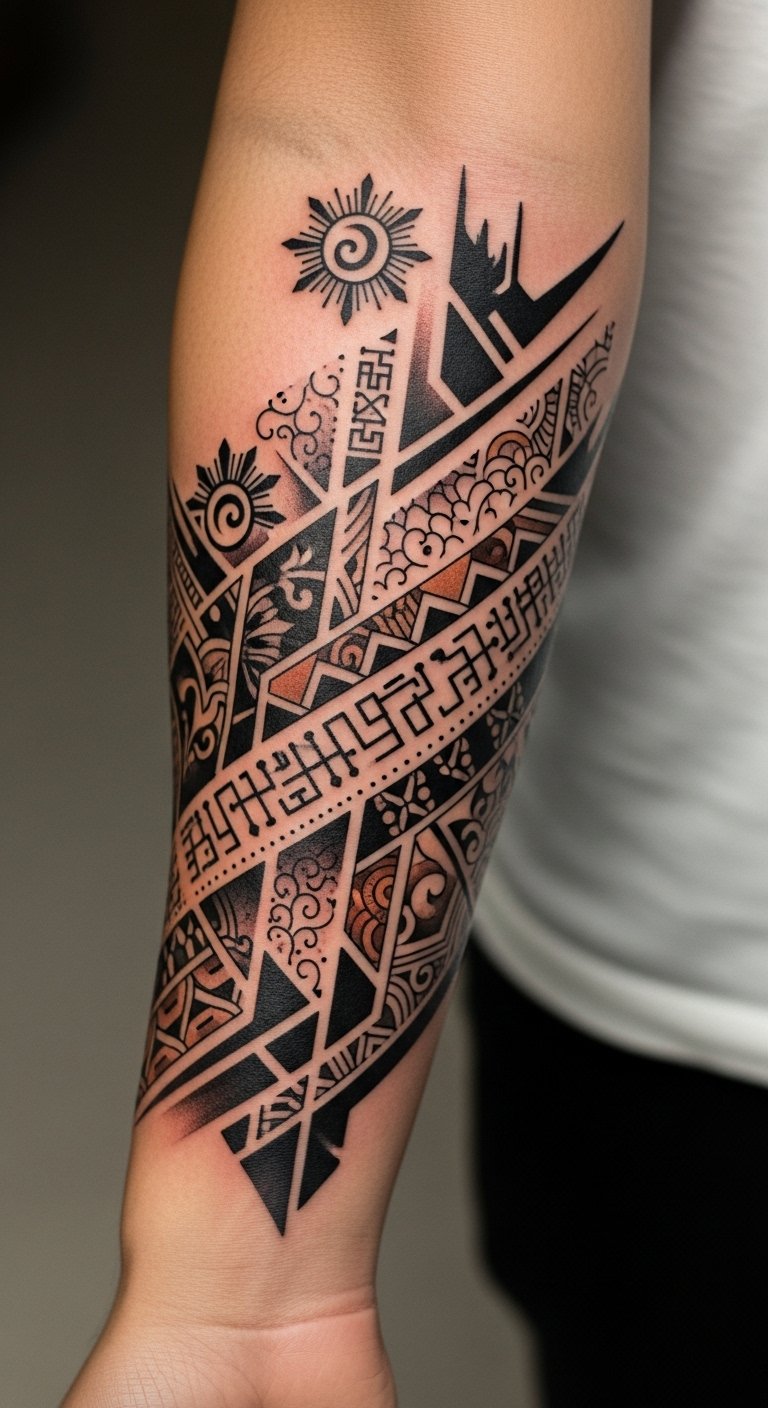
This tattoo embodies the duality of contemporary Filipino identity, merging ancestral heritage with modern expression.
The traditional tribal patterns symbolize a connection to one’s roots, while the geometric shapes represent the evolution of cultural identity in today’s world.
Placed on the forearm, the tattoo is easily visible, allowing the wearer to showcase their pride and narrative to others, sparking conversations about their journey and cultural significance.
Collaborations With Indigenous Communities
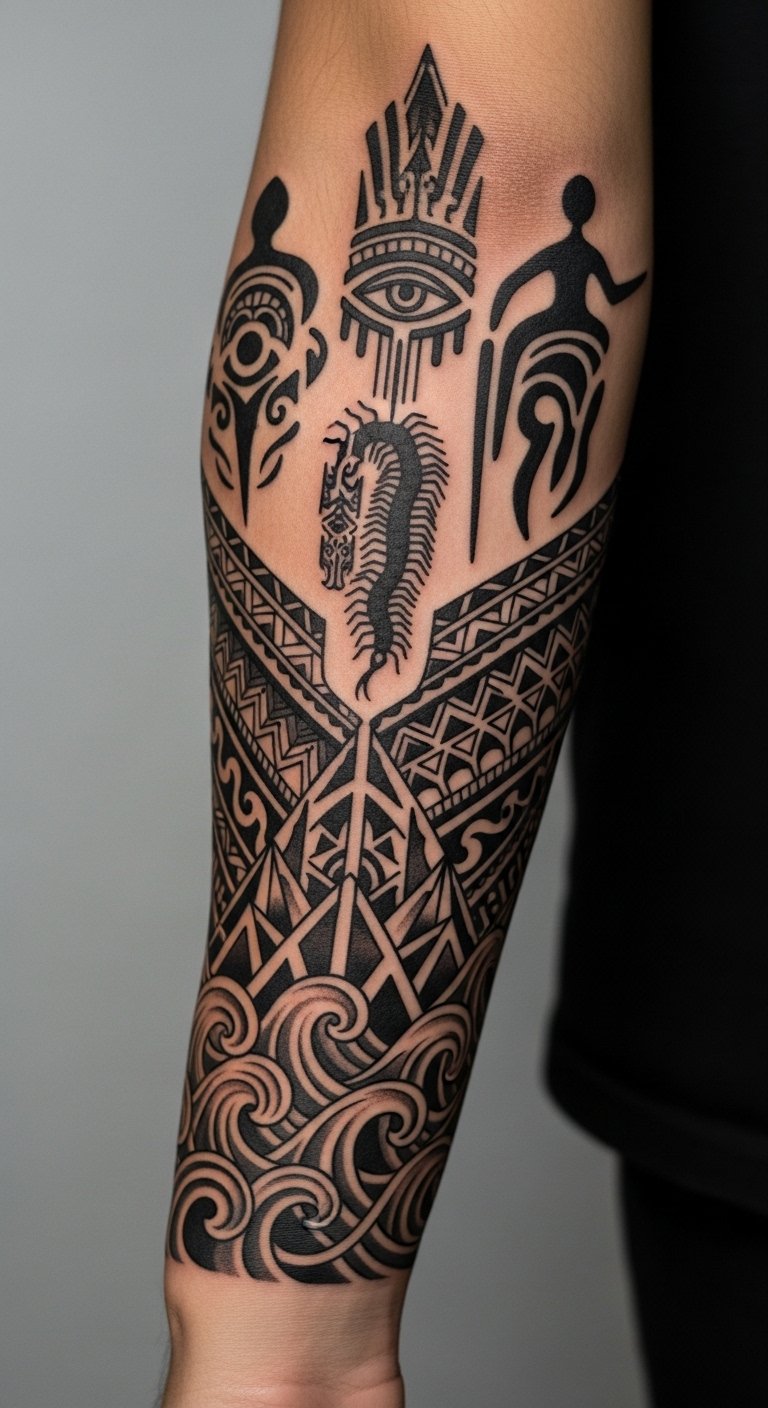
This tattoo symbolizes a deep connection to Filipino roots and the beauty of ancestral practices.
The flowing patterns represent the harmony of nature and the strength of identity, embodying the spirit of cultural exchange and community.
Placed on the forearm, it serves as a visible reminder of the wearer’s commitment to honoring traditions, inviting dialogue and reflection on the rich history of Filipino tattoo artistry.
Regional Variations in Tattoo Designs

This tattoo design beautifully encapsulates the essence of Filipino culture through its regional motifs, symbolizing bravery and spiritual connections.
Positioned on the forearm, it serves as a visible reminder of one’s heritage and identity, inviting conversations about the rich tapestry of Filipino tattoo artistry.
The combination of Visayan and Ilocano elements creates a harmonious blend of strength and spirituality, making it not just a piece of art but a personal narrative that resonates deeply with the wearer.
Influences From Other Austronesian Cultures
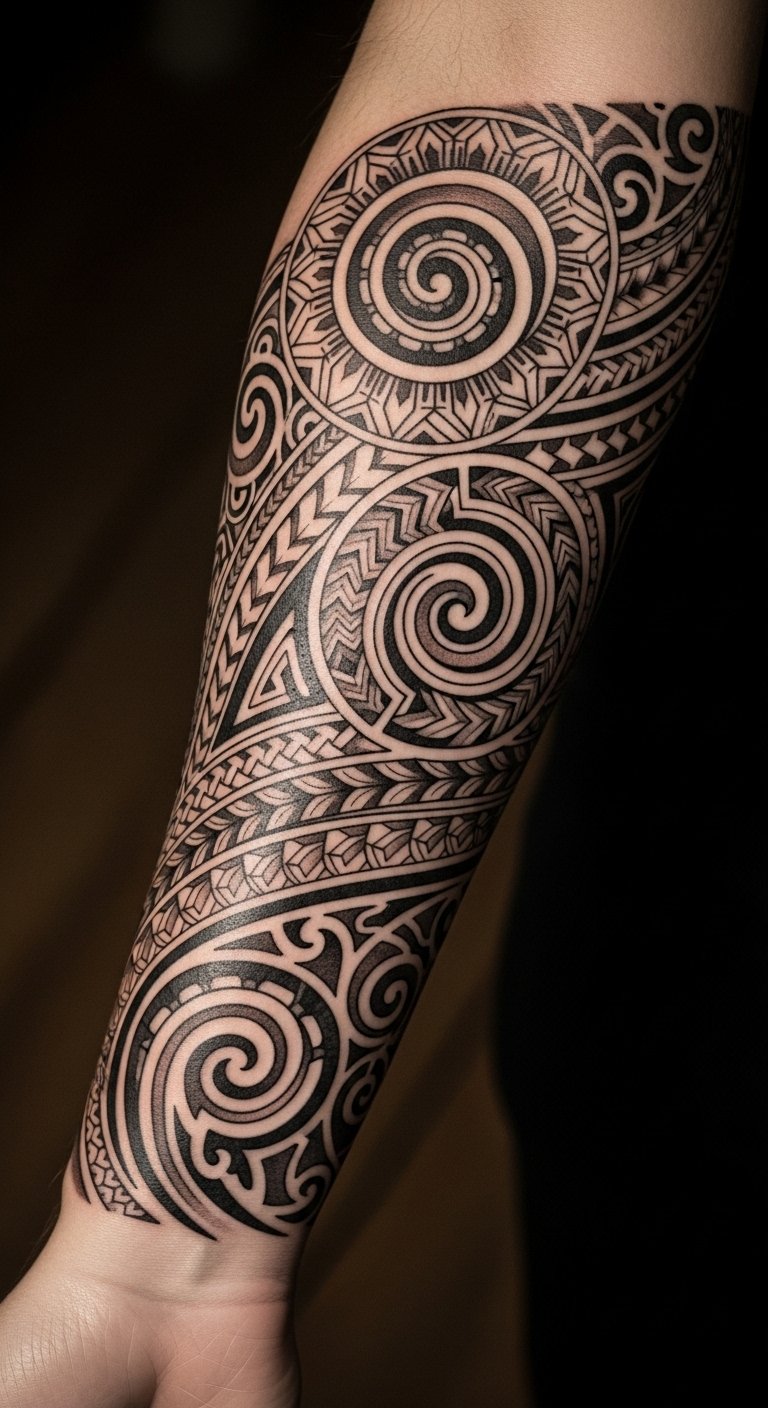
This tattoo design symbolizes the deep ancestral connections shared across Austronesian cultures, representing a journey of migration and cultural exchange.
The intricate patterns not only celebrate identity but also embody the rich storytelling tradition of Filipino tattoo artistry.
Placed on the forearm, it serves as a constant reminder of heritage and personal empowerment, inviting the wearer to embrace their roots in a modern context while remaining visible and celebrated in daily life.
The Significance of Baybayin in Tattoo Art

The baybayin script tattoo on the forearm serves as a powerful expression of cultural identity and personal narrative. Each symbol represents a connection to ancestral heritage, embodying themes of freedom and resilience within Filipino culture.
The placement on the forearm allows for visibility and promotes a sense of pride, inviting conversations about heritage and the significance of language in modern tattoo art. This design not only celebrates tradition but also empowers the individual, making their story a part of their physical expression.
Spiritual Protection and Tattoos
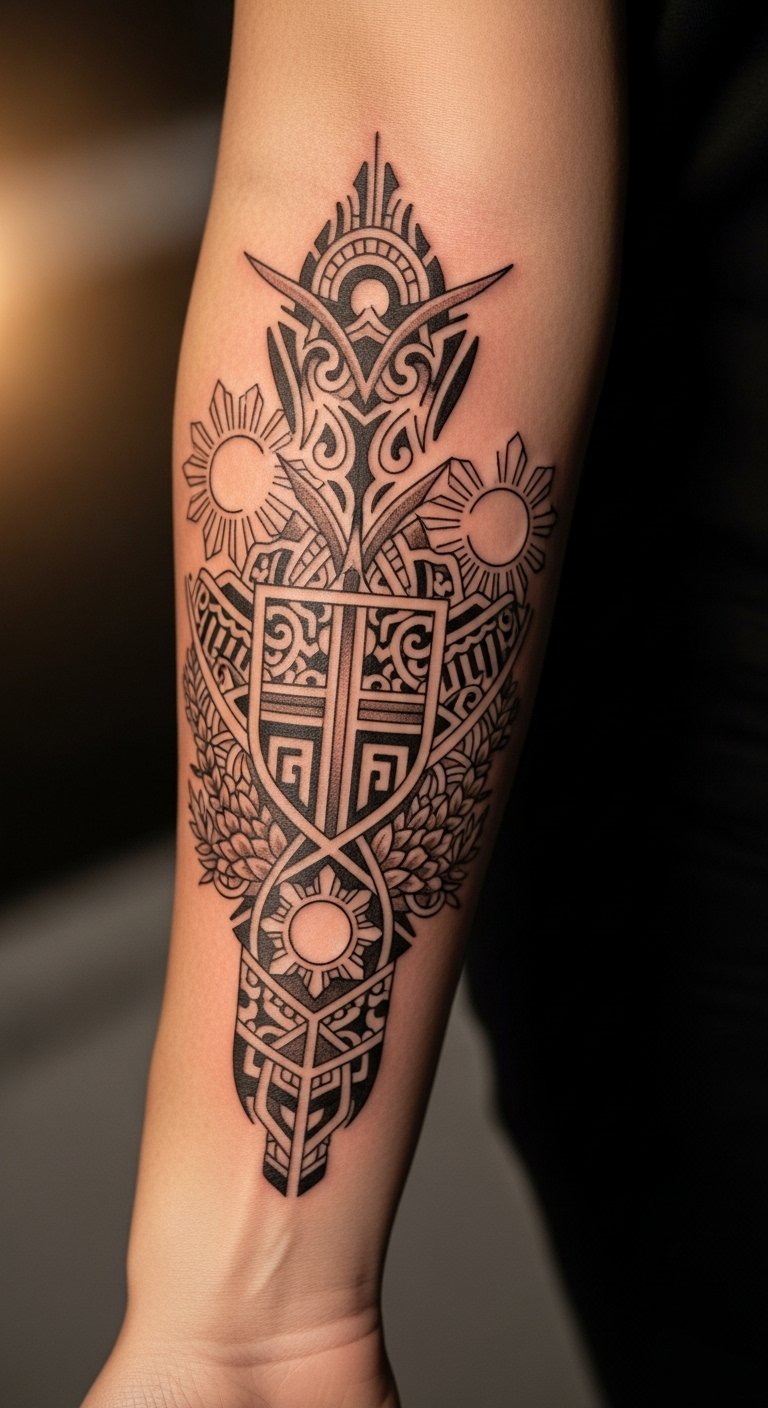
This tattoo design elegantly wraps around the forearm, symbolizing a deep connection to ancestral wisdom and cultural heritage.
The intricate patterns serve as a protective shield against malevolent spirits while inviting positive energy and good fortune into the wearer’s life.
The placement on the forearm allows for visibility, making it a constant reminder of one’s journey and the personal milestones that have shaped their identity.
The natural skin tone and mild texture enhance the authenticity of the tattoo, creating a harmonious blend with the body.
The Art of Endurance: Pain and Strength
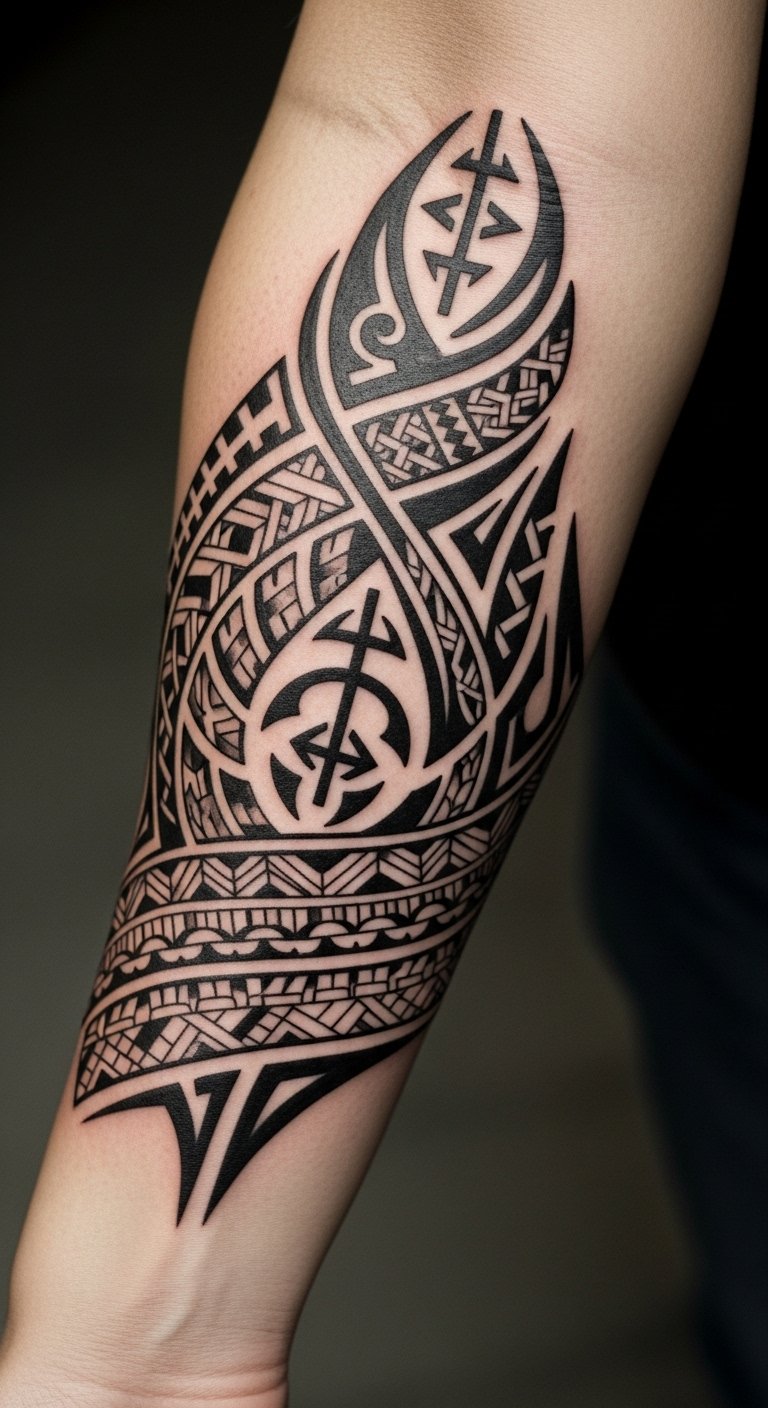
This tattoo, positioned on the forearm, symbolizes the wearer’s journey through pain and transformation, embodying both personal endurance and cultural identity.
The intricate patterns aren’t only visually striking but also resonate with the profound stories of the Filipino tribal traditions, reflecting collective strength.
The placement allows for visibility, serving as a daily reminder of the wearer’s heritage and the powerful rite of passage associated with enduring the tattooing process.
Tattoo Placement and Its Meanings
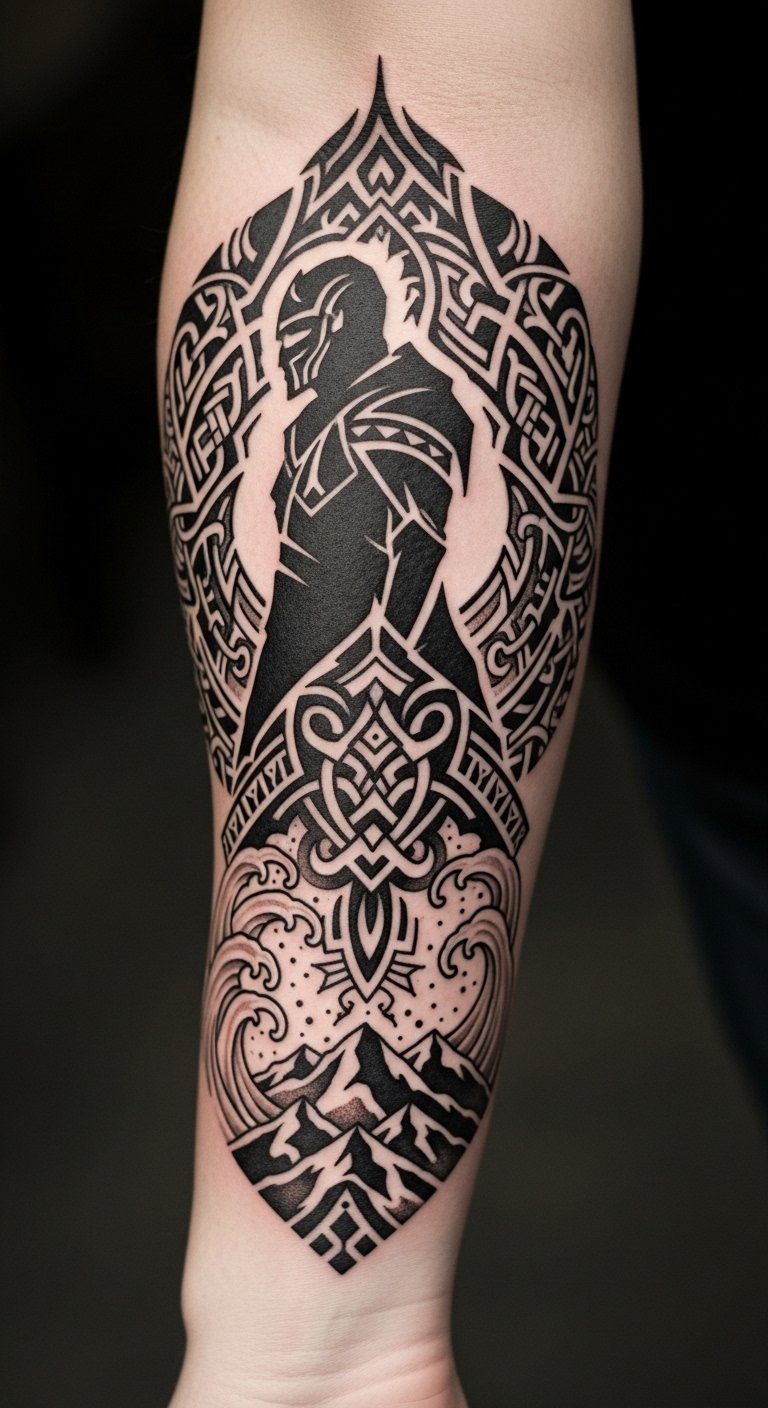
This tattoo, placed prominently on the forearm, symbolizes both bravery in battle and the wisdom gained from extensive life experiences.
The warrior silhouette serves as a tribute to courage, while the surrounding tribal patterns reflect the rich heritage and communal identity of Filipino traditions.
As a visible piece of body art, it invites personal reflection and connection to one’s roots, empowering the wearer to embrace their unique story and share it with the world.
Celebrating Heritage Through Body Art

This tattoo symbolizes the deep connection to Filipino heritage, embodying the spirit of resilience and freedom. The waves represent life’s challenges, while the mountains signify strength and stability.
Placed on the forearm, the tattoo serves as a visible reminder of one’s cultural identity and personal journey, inviting dialogue and storytelling. This location is ideal for showcasing the art, allowing for both personal reflection and public expression of pride in one’s roots.
Modern Filipino Artists Pushing Boundaries
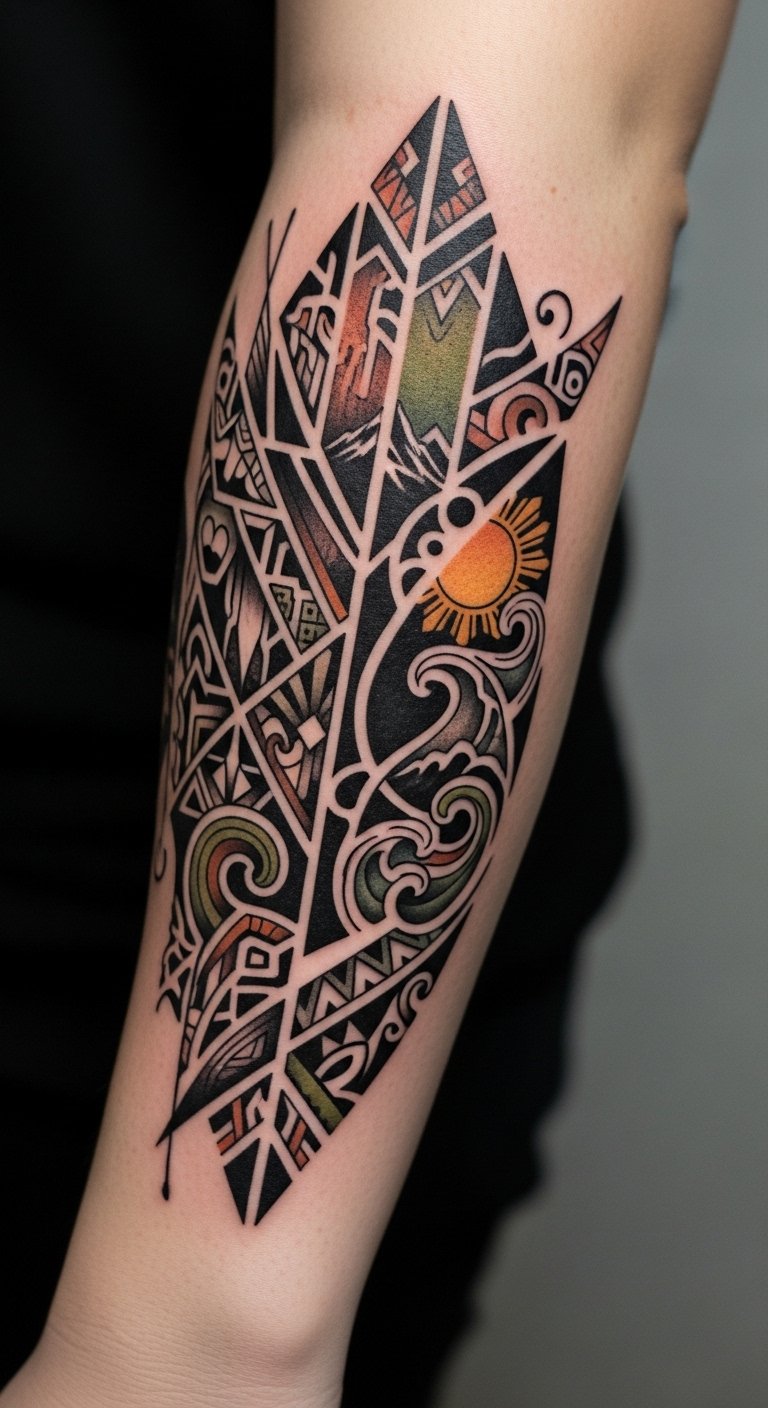
This tattoo is strategically placed on the forearm, allowing for visibility and self-expression. The blend of traditional Filipino motifs with contemporary design signifies a deep connection to cultural heritage while celebrating individual identity.
The geometric shapes represent strength and unity, while the organic lines symbolize personal growth and the journey of life. This placement not only invites conversation but also serves as a constant reminder of the wearer’s roots and the evolving narrative of their life.
The Intersection of Tradition and Innovation
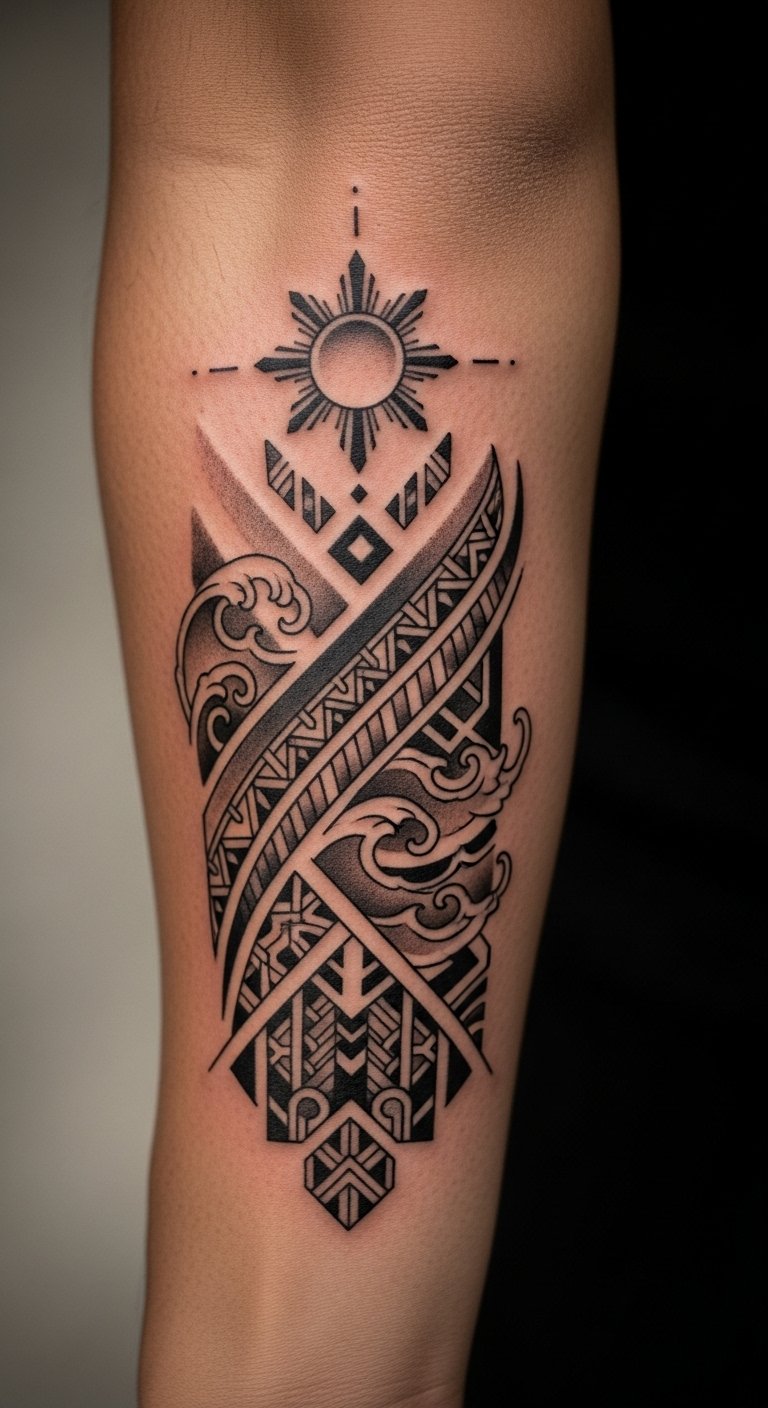
This tattoo design embodies a fusion of heritage and contemporary artistry, reflecting the rich cultural narratives of the Philippines while embracing modern aesthetics.
The placement on the inner forearm allows for visibility and personal connection, as it serves as a reminder of one’s roots and the journey of life.
The sun and waves symbolize enlightenment and the ebb and flow of experiences, inviting contemplation and appreciation for both tradition and innovation in the art of tattooing.
Tattoos as Markers of Achievement
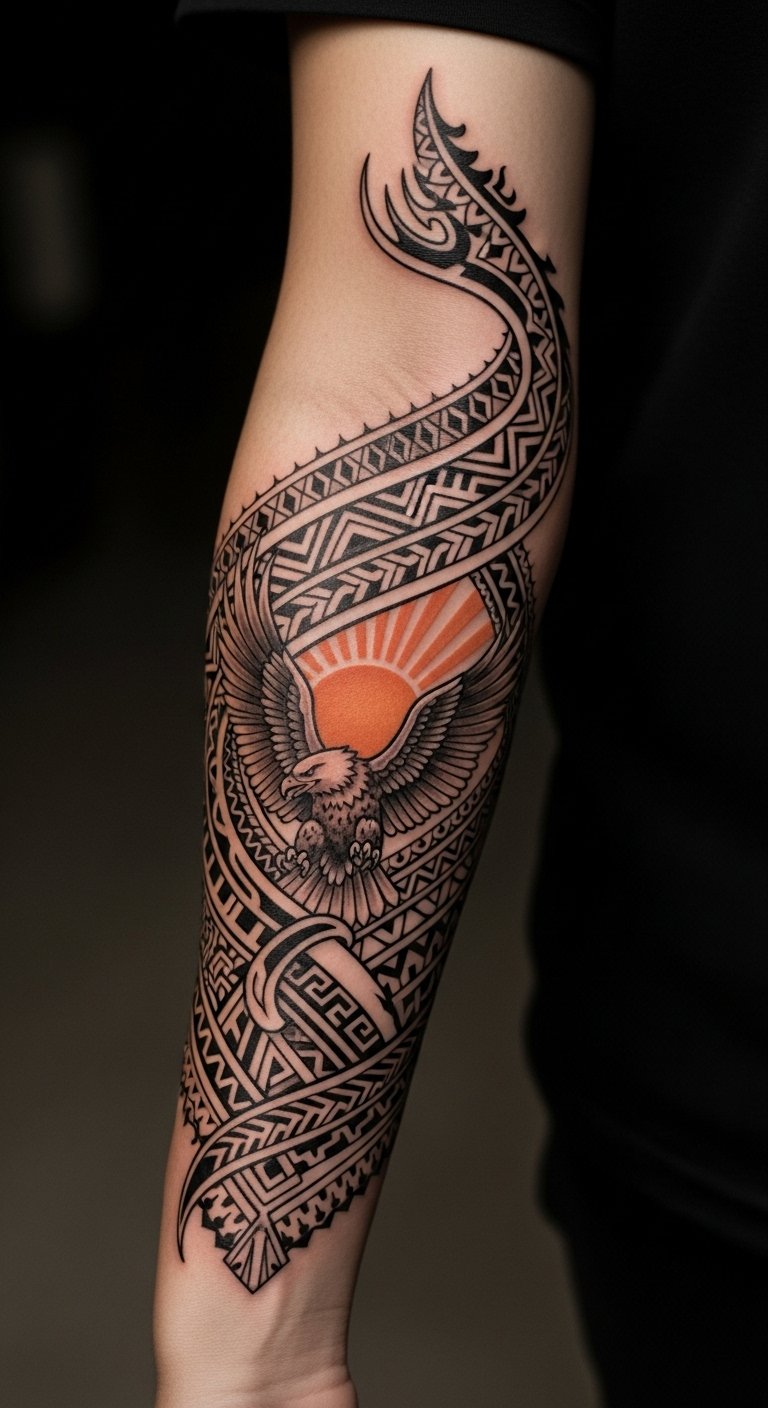
This tattoo design serves as a powerful emblem of personal and communal identity, reflecting the wearer’s journey of transformation.
Positioned on the forearm, it’s visible yet intimate, allowing for a connection to ancestral legacies. The soaring eagle represents courage and freedom, while the rising sun symbolizes new beginnings and hope.
Together, these elements empower the individual to embrace their heritage, showcasing their strength and resilience in the face of challenges.
Women and Tattoos: A Cultural Perspective

This tattoo embodies women’s empowerment and cultural expression, illustrating a journey of personal growth and identity reclamation.
Placed on the upper back, it serves as a reminder of resilience and the beauty of change. The butterfly signifies transformation and the ability to rise above challenges, while the floral elements celebrate heritage and the strength of femininity.
Together, they create a harmonious narrative that resonates deeply with the wearer’s story and their connection to their culture.
Psychological Aspects of Tattoos in Warfare

The lion, a symbol of courage and power, represents the warrior spirit and the fierce determination found in the heart of battle.
The tribal patterns surrounding the lion’s head signify the connection to a shared heritage and the bond between warriors, evoking a sense of belonging and communal pride.
Positioned on the forearm, the tattoo serves as a constant reminder of resilience and strength, easily visible as a source of inspiration and a declaration of identity to both the wearer and those around them.
Tattoos as a Form of Intimidation
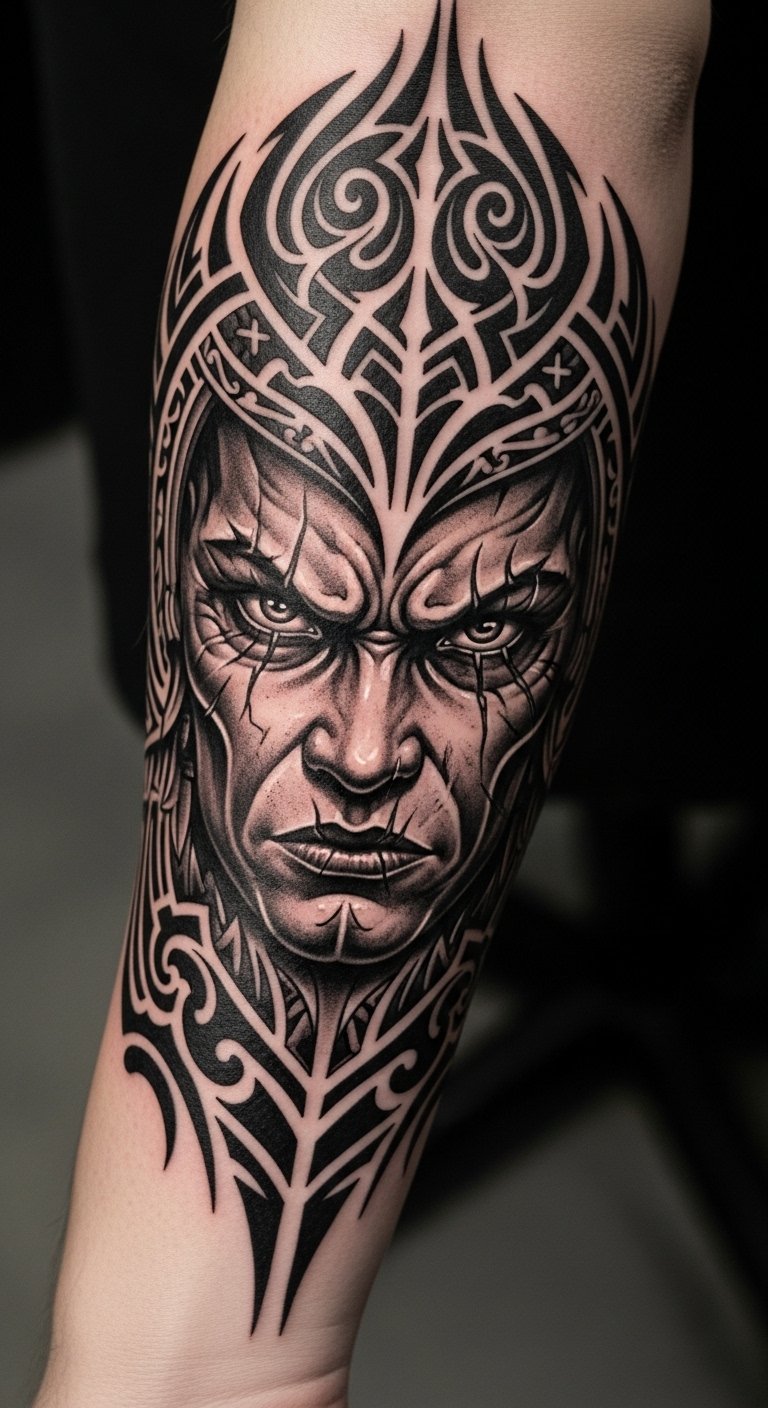
This tattoo, placed prominently on the forearm, serves as a powerful reminder of the wearer’s resilience and courage. The fierce warrior’s face embodies the spirit of a warrior, evoking feelings of intimidation and respect.
The intricate tribal patterns symbolize cultural authority and dominance, echoing the historical role of tattoos in warfare. The design flows seamlessly with the natural lines of the forearm, making it not just a piece of art, but a testament to identity and power.
Community Bonds Reinforced Through Tattooing

This tattoo embodies the deep connections within a community, reflecting shared identity and pride.
The flowing lines symbolize unity and strength, while the elements represent the collective experiences and bravery of the tribe.
Placed on the forearm, it serves as a constant reminder of cultural heritage and personal stories, allowing the wearer to carry their history with them, visible to the world, fostering conversations and connections with others.
The Global Filipino Diaspora and Tattoo Culture
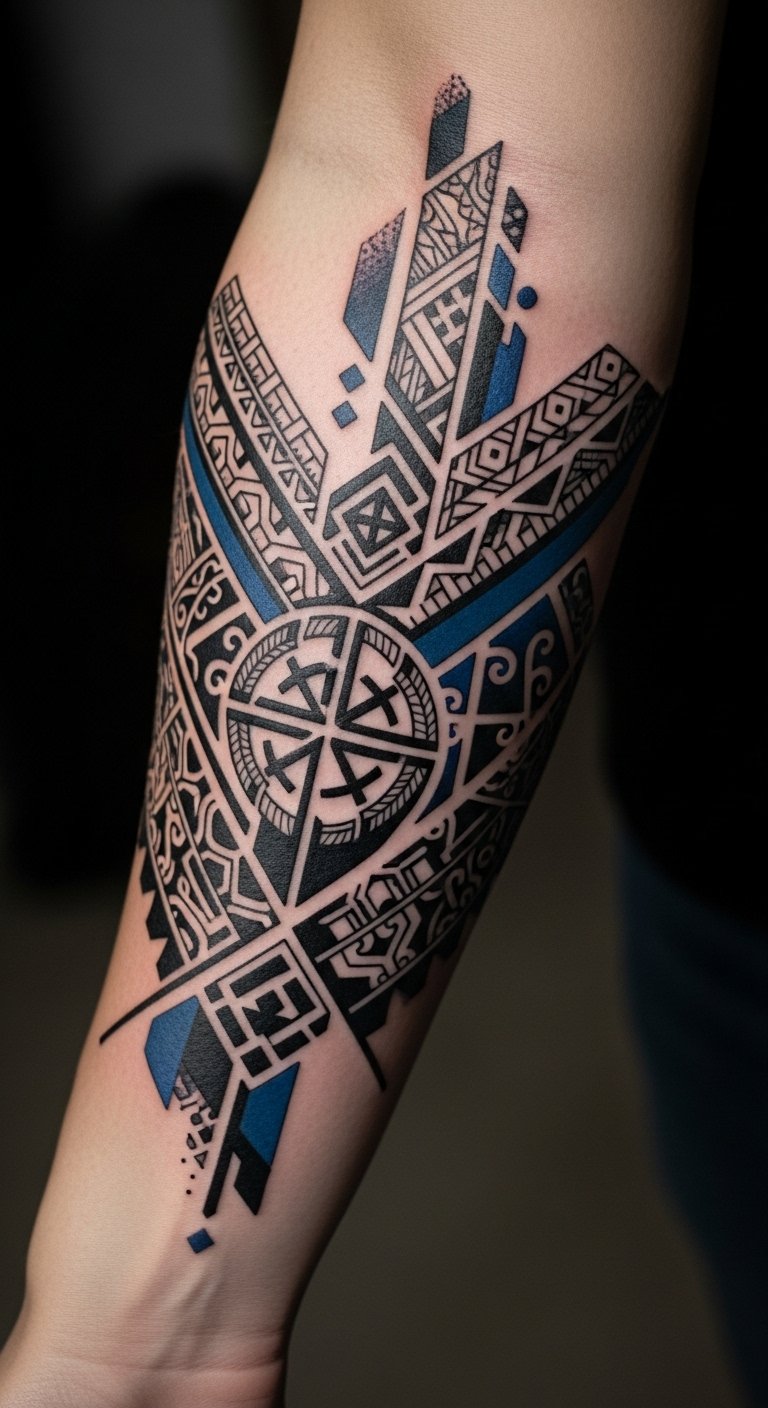
This tattoo embodies the spirit of the global Filipino diaspora, reflecting the journey of cultural evolution and personal identity.
Positioned on the forearm, it serves as a constant reminder of the wearer’s roots and the strength derived from their heritage.
The harmonious blend of traditional and modern elements symbolizes the connection between past and present, allowing the individual to celebrate their Filipino culture while expressing their unique narrative.
Respecting Ancestral Traditions in Modern Designs
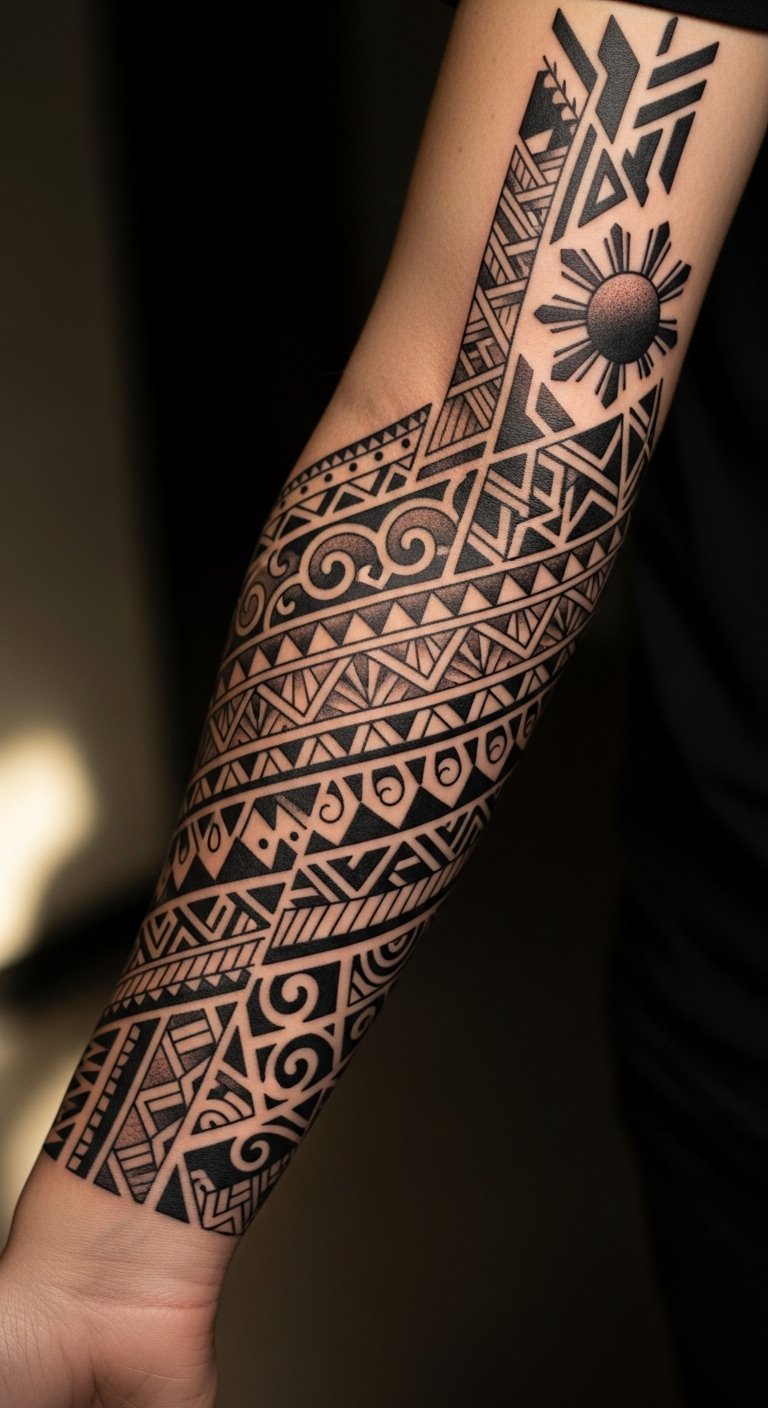
The tattoo is placed on the forearm, symbolizing the wearer’s connection to their heritage and identity. Each tribal motif represents a story from ancestral roots, evoking feelings of pride and continuity.
The modern geometric elements reflect a contemporary interpretation, bridging the past with the present. This placement allows for easy visibility, inviting conversations about cultural significance and personal history, while ensuring the design remains respectful and authentic to its origins.
Future of Filipino Tribal Tattoos in Global Context

This tattoo represents the rich cultural heritage of the Philippines, embodying the stories and traditions of ancestral tribes.
The placement on the forearm allows for visibility and personal expression, enabling the wearer to showcase their connection to their roots.
The combination of traditional and contemporary styles reflects a harmonious balance between honoring the past and embracing the future, promoting awareness and appreciation of Filipino culture within a global context.